
Educators
Autism in the Classroom: Making Education Accessible
Autistic STEM grad student Patrick Dwyer recommends families and autistic students take a self-guided campus tour. Video tour of UC Davis, packed with tips.
3 min read
173 articles
Autistic STEM grad student Patrick Dwyer recommends families and autistic students take a self-guided campus tour. Video tour of UC Davis, packed with tips.
Looking for the top ten tips for improving college outcomes for autistic students? Here you go! Editorial Board Members Arianne Garcia, John Caldora, and Sara Sanders Gardner put together these tips for students…

Patrick Dwyer explores the different times autistic students may be asked to read academic STEM articles. Depending on the goal, students can expect to dedicate different amounts of time and resources to the material.…

STS is excited to present a 30-minute talk, "Improving College Outcomes: Autistic STEM Students," at this…
Welcome to the second installment of our series of interviews with professors or program directors who are actively welcoming autistic students into their STEM programs or lead autism-specific initiatives at the college…
We often hear from people looking for participatory STEM opportunities for autistic students. In our quest to learn more about possible opportunities around STEM camps, teams, and related groups, we connected with…
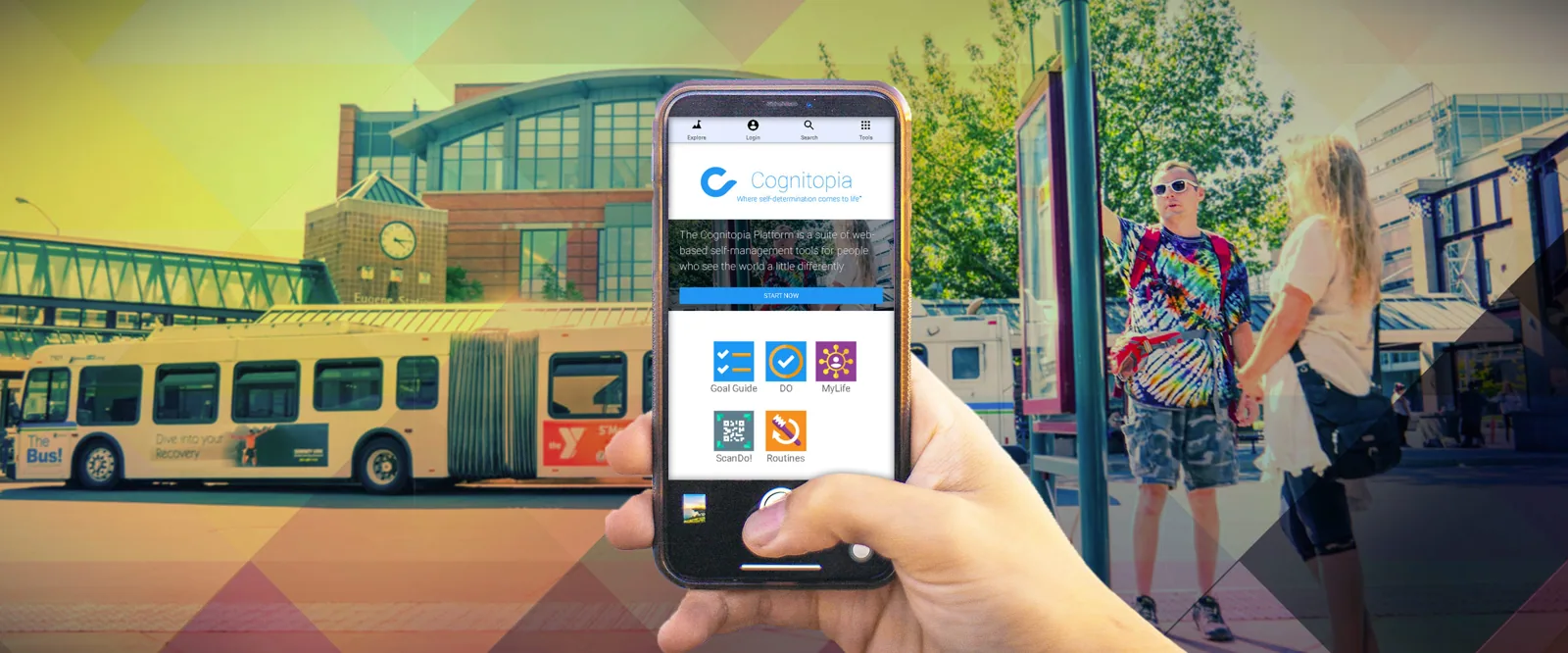
STS is proud of our work to support autistic students in the college transition, particularly in STEM fields. Much of our content is geared for students whose main challenges may be less about academics and more about…
I reached out to Haley Moss a few months ago about conducting an interview around autistic self-advocacy, and I was so pleased when she agreed to…
Alex Shankland is a close friend of mine from Tufts University. We met in freshman year. I told him I was autistic a few weeks later. We’ve been friends ever since. Justin Robbins: Can you…

If a classmate of yours invited you to a hackathon next Saturday, what would you picture your weekend looking like? Lots of people picture scenes from ‘Mr. Robot’ or War Games when they imagine what “hackers” look like…

I’m afraid I don’t know the answer to the ultimate question of life, the universe, and everything ([unless the answer is…

We know there are many different paths to a STEM career, and other STS contributors have written about [approaches to your time at…

Earlier this summer, a tweet from Andrew Eddy of Untapped in Australia caught my eye. I reached out to learn more about his organization and their…
Editorial Board Member Arianne Garcia considers the way various forms of discrimination can compound negative STEM college outcomes for autistic students in relation to race, gender, and sexuality. She begins by…
In Part Two of my interview with Boston-based diversity consultant Sam Ellison, we discuss how both upper management and general employees have responsibilities when creating institutional change. ([Read Part One…
Social language groups, sports, arts, and creative extracurricular activities are enriching and exciting for many young autistic students. At the same time, some parents will notice their student’s interest in STEM…

In Part One of this post, I introduced several tips for studying college biology, including the concept of “learning as you go.” If you haven’t read Part One…
Guest contributor Helen Rottier shares her path to a STEM PhD program. Not having disabled STEM mentors or seeing them in the greater science community meant that Helen never considered a STEM path. Having visible STEM…

Contributor Katie Newton sits down with Boston-based diversity consultant Samuel Ellison for a candid and wide-ranging talk about workplace inclusion, including disability and autism hiring. Ellison builds on his own…
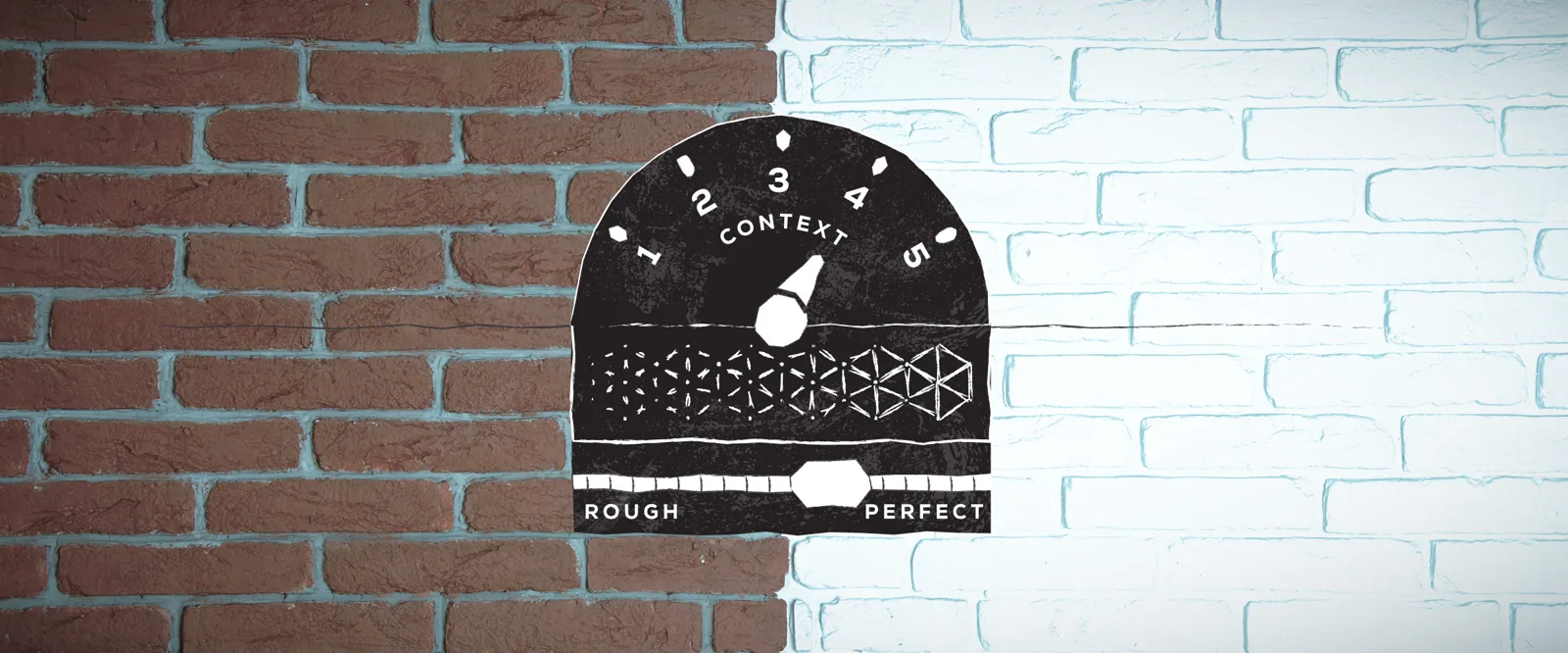
An autistic STEM grad student on why perfectionism isn't something that students who have autism should aim for in their college studies.

Rewarding STEM Jobs are available to autistic students without a 4-year degree. STEM career paths take many forms. Learn how to best pursue your interests.

Essential study skills for autistic STEM students. Learn how and why to "study as you go" and other important study skills.

Autism and work-study jobs. If you're an autistic student, pursuing a work-study job can help you in the workforce transition.
Autism and addressing workforce bullying. How to know if you're experiencing bullying or miscommunication, and what to do about both.

Building social confidence levels means being prepared and knowledgeable in a variety of common situations. Learn more here.
Understanding privacy laws in relation to autism and college student rights can help students and families prepare for the college transition.

Autism and setting SMART goals. Learn this method of organizing and achieving meaningful goals. Terrific self-advocacy skills for college.

Disclosing your autism to college friends can be a way to grow friendships and develop even better connections to people who share your interests.

Dr. Lisette Torres on creating a STEM familia or family. Why a sense of connection can be important for STEM populations underrepresented in college.

Autism and STEM careers. An overview of participation, barriers, and solutions, with a particular focus on college students.

Social dynamics of college classrooms for autistic students. STEM grad student Patrick Dwyer gives an overview of how college differs from high school.

Self-care for autistic students is especially important during the college transition. Schedule self-care to feel good & improve performance in other areas.
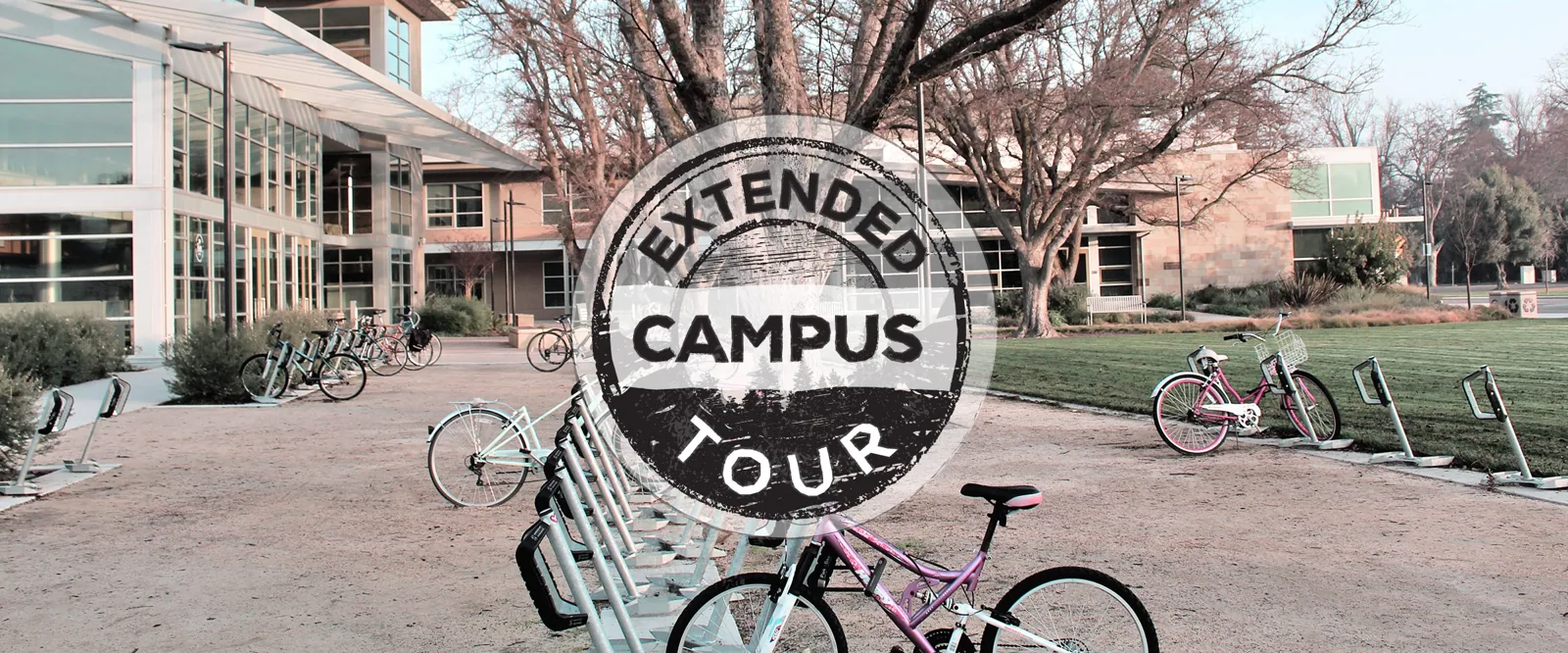
Autistic STEM grad student Patrick Dwyer recommends families and autistic students take a self-guided campus tour. Video tour of UC Davis, packed with tips.

Managing anxiety for autistic students can play a big part in college success. Learn from STEM grad student Laura Gilmour about how to minimize anxiety.
Contributor Chelsea Harris explores college transition programs for autistic students as well as the transition process, including different support models.
Should you disclose your autism in college? STEM graduate Justin Robbins shares the pros and cons based on his college experience.
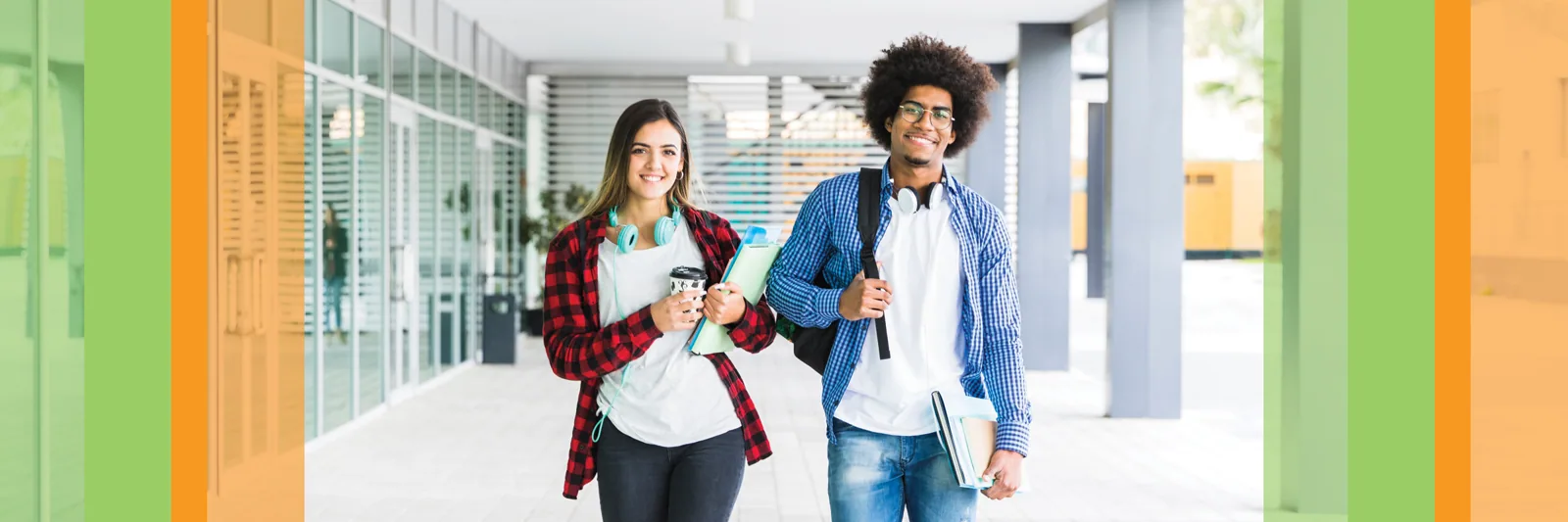
Contributor Katie Matthews guides autistic students through considerations that will help them clarify their preferences for college learning environments.
Video interview. Patrick Dwyer and UC Davis Disability Specialist Dr. Joseph Spector discuss the role of Disability Services Offices on campuses.

Hear about one student's experience in an inclusive concurrent enrollment program, and what he's up to in college now.

Brief video. Declaring a disability in college? College transition expert Susan Woods introduces families to the basics in order to access accommodations.

Video overview of college student housing with STEM grad student Patrick Dwyer. Noise, room accommodations, issues with roommates, and more.

Sometimes we hear a lot about autism and STEM, and it can feel unthoughtful. Here, contributor Katie Matthews helps students clarify whether a STEM field might be a match for them, and which particular fields could be a good fit.

Worried about someone saying something rude or inappropriate about your research? STEM grad student Laura Gilmour shares key presentation and conference pointers.

Check for filler words. Are you overly using “like” or “um?” While these are somewhat normalized in daily speaking and often increase during nervous moments, making note of your habits can help you be aware of what you might say and help decrease use of them.

I think I see reality quite lyrically so it was the way that I see reality that helped me with the gorillas at first. I think that lyricism is present in most people on the spectrum. That's why when they interface with a world that's very hard and materialistic, they need rules that are unshakable and unchangeable, because their birth orientation is to be a part of everything

Prince-Hughes completed regular coursework and assisted around the zoo. She was given the responsibility of monitoring a gorilla with a serious illness. Her work on that task was pivotal: the director of the zoo was so impressed that he sponsored a series of gorilla behavior research projects.

Autistic students do come through the CWE program in our department...We find that the student who has gone through CWE with an employer has an easier time transitioning to full time employment due to the created familiarity with the employer and/or coworkers.

Hear from an autistic STEM employee about the college transition and how he's succeeding in the workforce.

For many autistic and neurotypical students, college presents a depth of challenges, course material, and independence that they likely haven’t had much experience with before. UDL can support instruction and student growth.

If we ban technology, we are hurting some of the most vulnerable students and infringing on their rights to access accommodations.

However, before you despair and conclude that facilitating a peer-support group is not for you, please remember that things usually sound more complicated written out on paper than they are in practice!
This is the final part of a three-part series about being an autistic graduate student. In [part…
I can't overstate this enough: the most important part of graduate school is finding nice people, having a kind, supportive mentor, and having peers who support each other.
Transitioning to any sort of new school is like taking notes in class - messy. It also feels like everyone else is walking around with a navigation system while you're just fumbling about. Sometimes though, other people let you know that they don't have a GPS either!

Prospective students and families should visit the colleges and universities. Talk to the people who provide support, assess the culture and “feel” of the community, and find the best fit for the individual.
Additional scholarships include the Anne Ford and Allegra Ford Thomas Scholarships (two scholarships) and the Lisa Higgins Hussman Scholarship, 15 of which were awarded last year.
On one hand, disclosing too early could create bias that eliminates you from the competition. On the other hand, disclosing provides context that can help you have a more successful interaction with a future employer.

Faculty, ask questions and seek to understand the accommodations process to help dispel misconceptions about unfair advantages for students receiving accommodations.
Quick tips for instructors and students about supporting neurodivergent students in the college classroom.

Speech and language pathologist Katie Matthews introduces students to “Get Ready, Do, Done” a useful model that supports executive functioning challenges. She then takes a deeper dive into the model, sharing how it can…

Video. Brief overview of the kinds of supports students and families can expect in the college environment. Can vary a lot by institution.

Your academic journey may take some time, maybe even lots more time. Do your best and enjoy the ride, and don’t judge your self-worth by the length of time it takes to complete a degree, the grades you earn, or the salary you make.

Downloadable class schedule organizer. Template for keeping track of your classes that can be incorporated into larger organizational strategies.

The importance of structuring student time and why considering a reduced course load can support positive transition outcomes.

What can you do as a parent to act in “autonomy-supportive” ways? We’re glad you asked! You can support developmental processes in an independence-focused and communication-driven environment at home.

I’m back! ‘Tis I, your so-far-successful autistic STEM grad student, ready to reveal the mysteries of post-secondary life. (Or, at least, I’ll get to the mysteries as soon as I’m finished…

Video interview. How should families navigate the transition from HS to college with their autistic student? Steps to take now for increased self-advocacy and for encouraging internal motivation.
Video. By considering the autistic experience side by side with the immigrant experience, researcher Laura Gilmour seeks to advocate for both communities.

If you are trying to break into software engineering, I can’t recommend sites like HackerRank enough--they’ll get you used to approaching problems in a systematic way that will come in handy in interviews.

Different ways to access tutoring support. Tips about how to prepare for different kinds of tutoring sessions for autistic students.
Animated video. Listen and watch as our contributor shows you how to organize your college life. A must watch that will have you high-fiving your screen.

Video interview. If you've already watched our brief videos on what UDL is, how to implement it, and tips for group work, this one can direct you to further resources.

"This is the most fundamental lesson in founding an autistic student club: you are not alone": college support group founder Justin Robbins.

Video. STEM grad student Patrick Dwyer sits down with UC Davis’s Accessible Tech Analyst Joshua Hori for an overview of Livescribe Smartpen, Sonocent Audio Notetaker, and ClaroPDF.

I am putting this next sentence in bold because it is very important: The only way to get good information about the unwritten expectations of preparing for graduate school is to talk to the experts – to your professors and your TAs.

Stuck in a rut with group work? This brief video offers simple steps for using UDL principles to improve your group work outcomes.
The most effective coping mechanism I had was to sit somewhat off-center to avoid the loudest section of the lecture hall.

Simple steps for incorporating UDL principles into your pedagogy. Lecture, resource, syllabus, and assessment strategies.
The goal is not to provide a golden ticket to whatever a student wants. The goal is to provide them with an equitable classroom experience that gives them an equal opportunity to succeed.
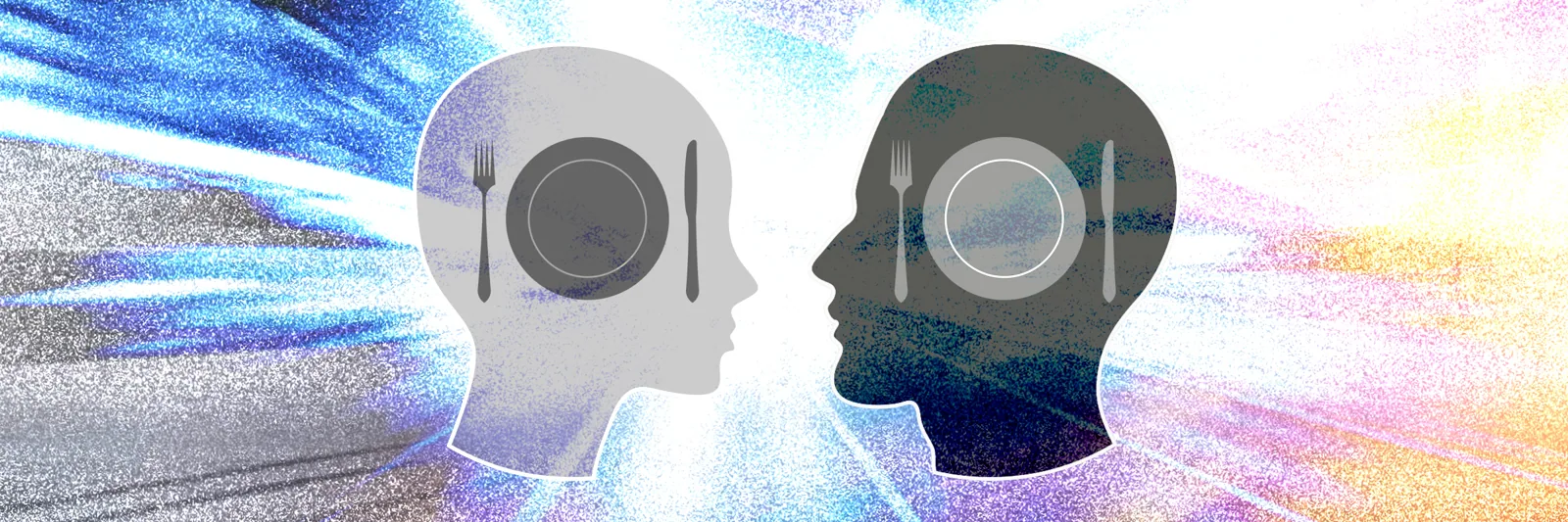
In this series, autistic STEM grad student Patrick Dwyer takes a deep dive into sensory sensitivity on campus. These blogs…
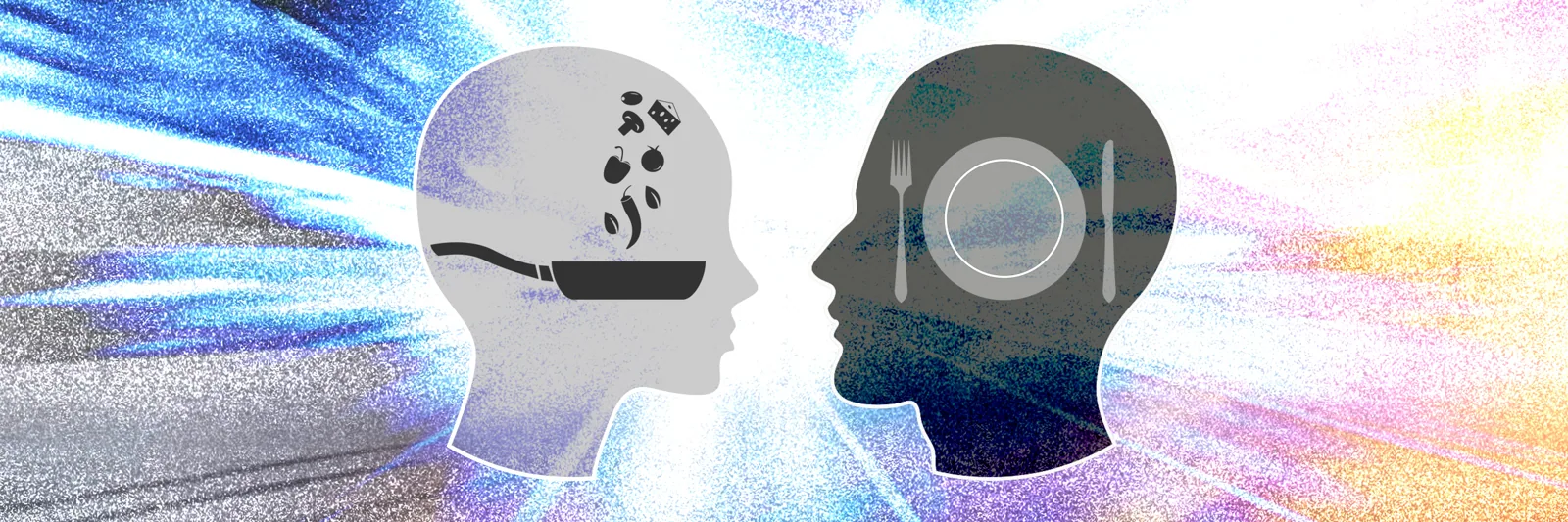
I think it’s interesting, and a bit startling, to realize just how much inter-individual variability there probably is in the human sense of taste.

Video with subtitles. A brief but wide-ranging exploration of what a successful transition takes and how to achieve it.

When you see bullying, act. One of the most important things people can do is not to become a "passive bystander" when others are being bullied.

Don’t be discouraged if a first or second attempt at reaching out fails—just look for the next opportunity.

Many STEM careers and college courses are thought to focus on “computer work” without much emphasis on the human interaction necessary for success. Oftentimes, however, collaboration with peers can be daunting but necessary to advance one’s studies and career.
To me, "honors" is about the quality of your work, the quality of your thinking. It's not about whether you can do this full time.

Video. The transition to university is major, major change, right? And, autistic people, we often thrive on predictability. It's really valuable to spend some time exploring the physical environment of a university campus before you start.
One thing to keep in mind no matter where you end up—be it a friend’s house, your family home, or a relative’s place—is that if you begin to feel overwhelmed by the new environment or sudden transition, you should look for a quiet place to gather your thoughts. Don’t worry about exiting a stressful situation and seeking a solitary spot to calm yourself.

Audio interview. "It happens to people teaching in any kind of academic discipline, where students think [their instructors] can give them advice on things that they’re really not qualified to talk about. We’re discipline experts."

What you do during class is, in the long term, far more important than any exam or any homework you ever have. Most courses have a lecture component, but even in earlier courses professors will encourage discussion about key concepts.

Video Interview. Founding the Coalition for Autism Support at Tufts (CAST) created a sense of community that...I thought I would never have.
Audio interview. Dr. Schalomon: "If you don't quite know what the student needs, go to the student and ask."

Video interview. Brief discussion of one student's success auditing classes on a community college campus in preparation for the transition to higher ed.

In most cases, it’s not the facts that count; it’s what you do with them. Even in an introductory foundation course, raw knowledge only gets you so far.
Be aware of unconscious bias in interviews, plan for it, and be prepared to disarm it if necessary. For example: if you find eye contact challenging, acknowledge it and then communicate that you are glad to be there and are engaged in the discussion.

it’s important to have some emergency numbers available at all times. Preferably, these numbers should be programmed on the phone and also available on a wallet-sized card in case the phone is dead and the student needs to borrow someone else’s. Parents, therapists, and a friend or roommate in the college town are all important numbers to have available.
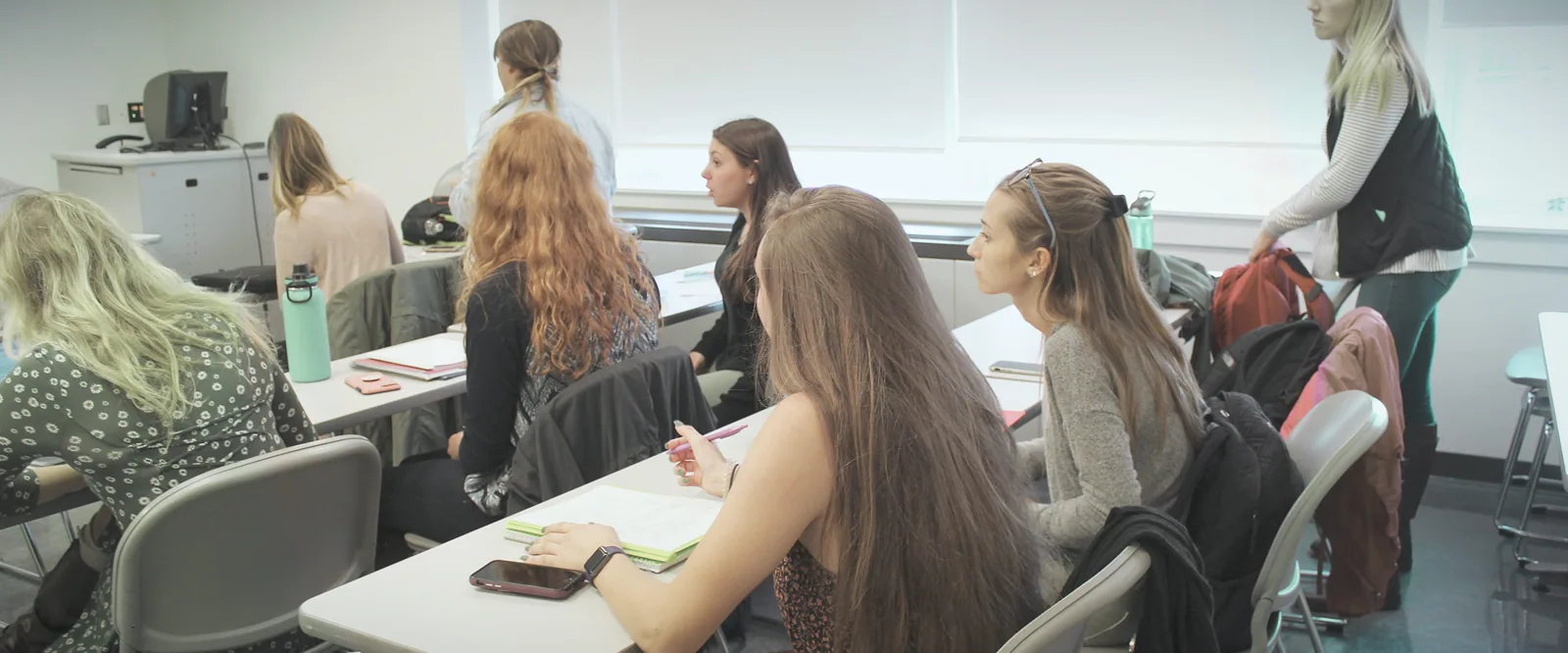
Video Interview. Attending dual enrollment classes allows students to get used to college work and what the demands are going to be. Plus, they accrue college credit in HS.
Interview. Availability for college students is important as well. Do therapists have office hours that coincide with their class schedule? What is their availability in between appointments if a need arises?

Video Interview. Students can find the community-based ethos of a community college conducive to taking smaller steps and breaking processes into manageable parts.
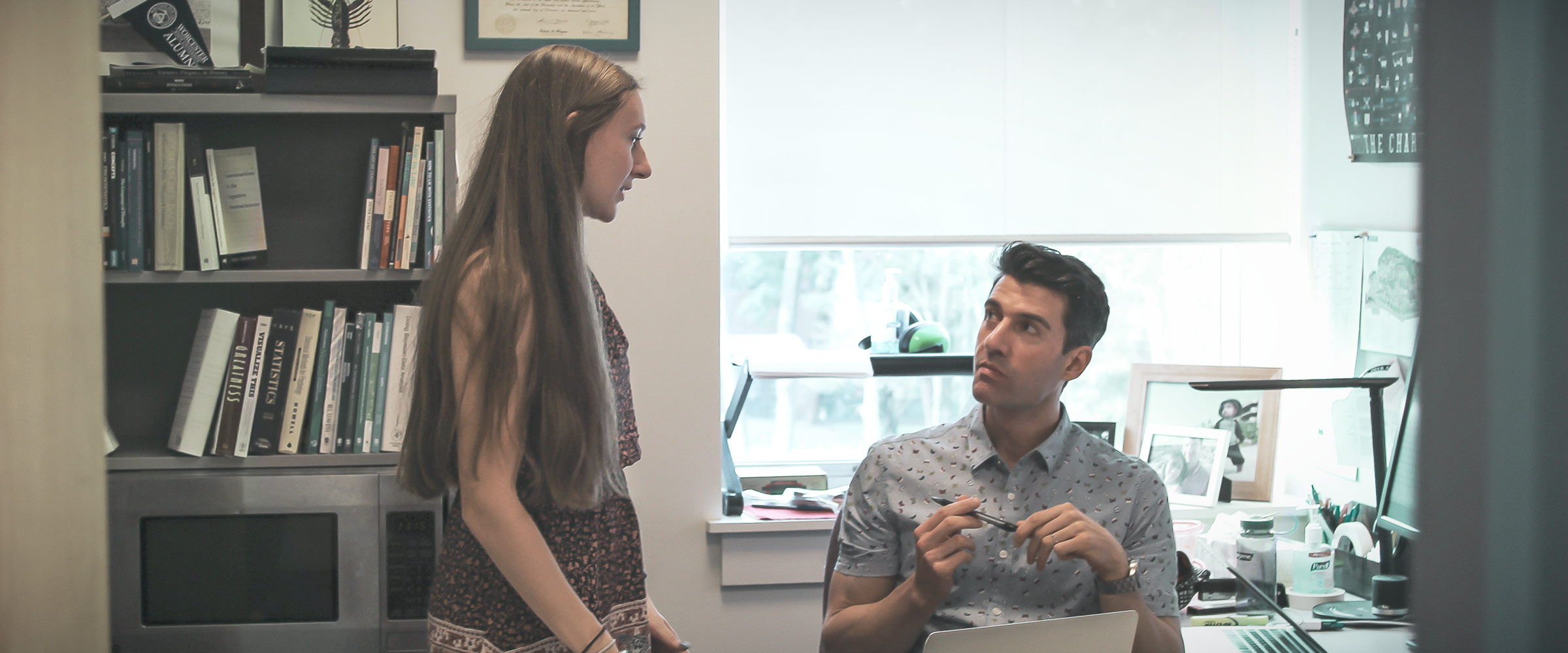
You know how Dumbledore in Harry Potter says, “Help is given at Hogwarts to those who ask for it?” I think that should be my new motto when writing about college, because help is given at college to those who ask for it.
Video interview. If transitioning to college becomes part of your everyday conversation, it becomes much easier for students to adapt.

When we talk about folding autistic and differently-abled students into community colleges and STEM careers, what we’re really talking about is best practices for everyone. It follows that when our most disadvantaged students’ needs are met, we are leveling the playing field for all, with or without a “documented need.” Thank you for believing in students like me.

She loves science. Now she loves autism, too. She decides she wants to research autism, but there’s one problem: in the autism community, “research” can be synonymous with “the cure,” and that’s a major problem indeed. Many autistic people don't want to be cured. How will she proceed?

In high school, many 504 plans are written to include use of assistive technologies in the public school setting. However, once at a higher education level, these supports still can be extremely helpful for a variety of reasons.

UDL is a framework for designing based on three broad principles tied to how our brain functions in terms of networks.

What advantages are there to adjusting the traditional grading system and working on something more specific to an individual student?
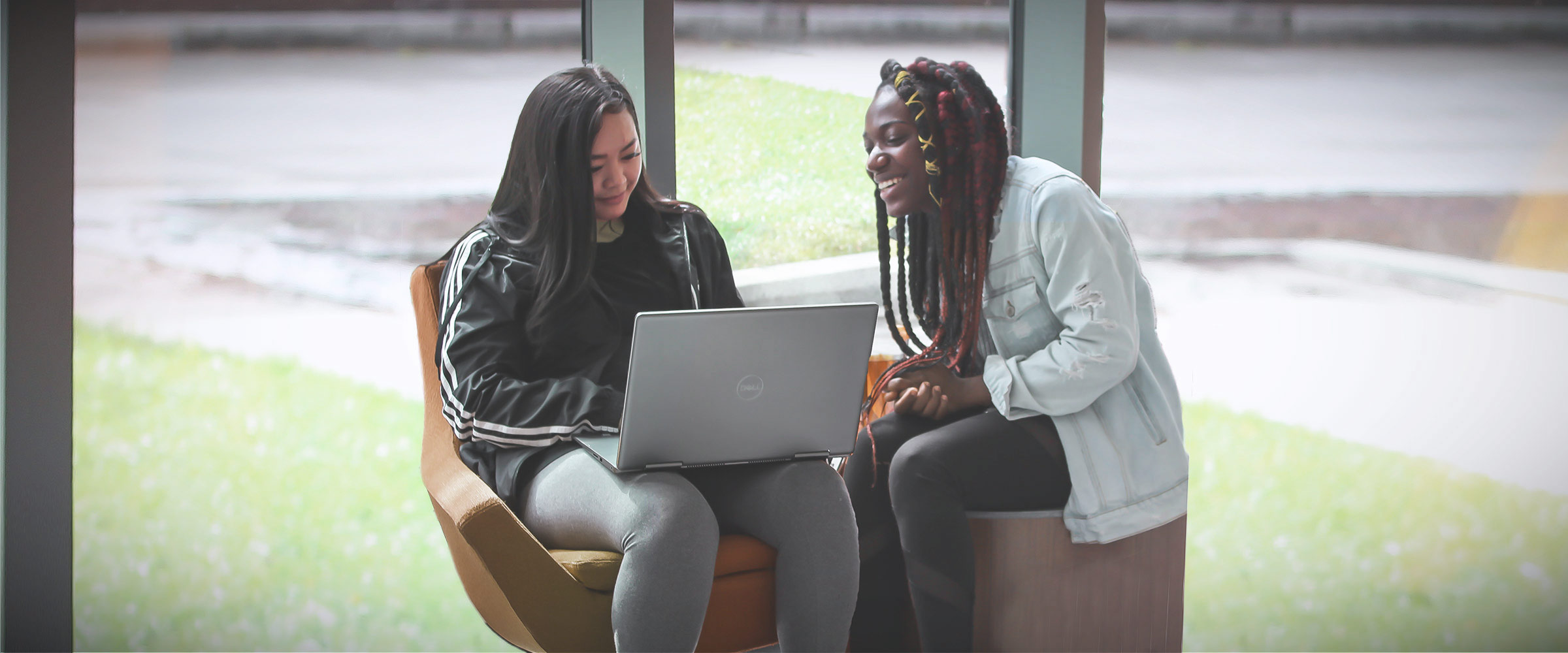
Not only were there more people who shared a special interest with me, but the ones who didn’t thought no less of me for having them. In fact, they thought it was interesting, because they had interests of their own, and we had a shared experience that way, autism or not.

Video interview. Having your syllabus state that you support students with disabilities is just one way to create inclusivity and demonstrate your support for all students.

We don’t learn well by cramming. We learn best through distributed practice sessions. We call this the “spacing effect” or the “distributed practice effect,” and there’s a ton of research to back it up.

Video interview. Having your syllabus state that you support students with disabilities is one simple action discussed that helps create an inclusive academic environment.
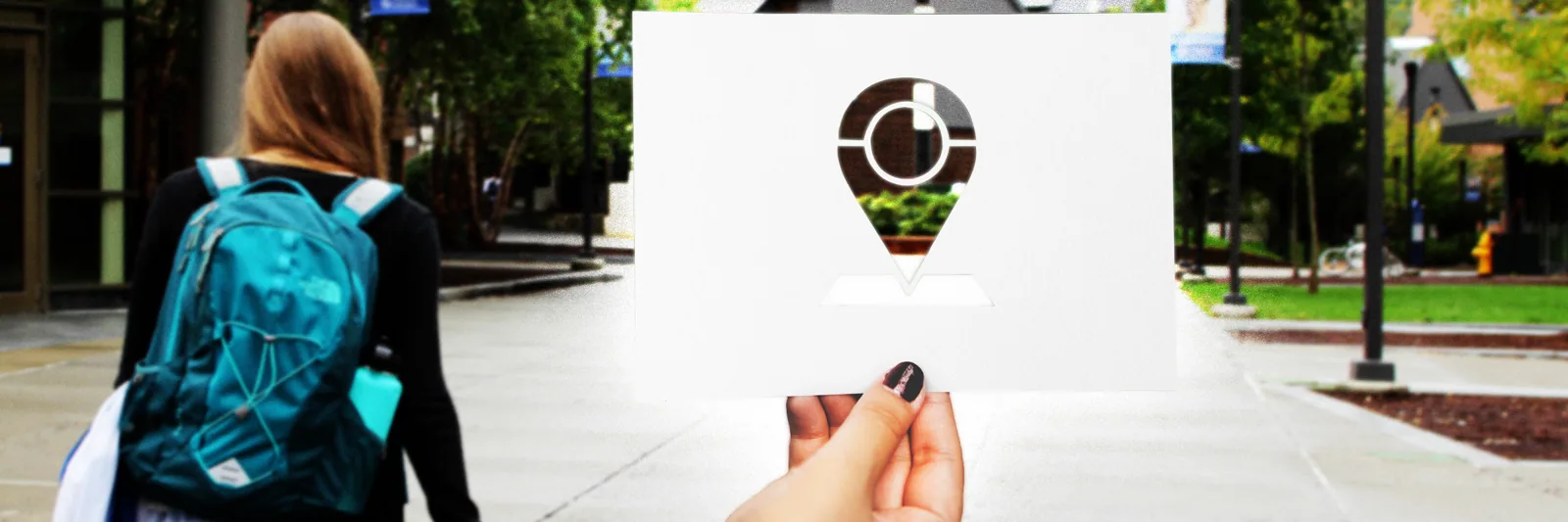
Talk with your professors about your potential needs, whether that means a quiet testing environment, extended time on projects, or organizational assistance.

Set aside time for your passions, for your special interests and the things that give you immense joy.

Young people on the spectrum often feel increased judgement and pressure to fit in with their [neurotypical] peers...We need more awareness of the mental health issues many young people on the spectrum may face.
Sometimes it’s not possible to avoid a sensation. When you’re exposed to a distressing stimulus, try to breathe slowly and deeply.
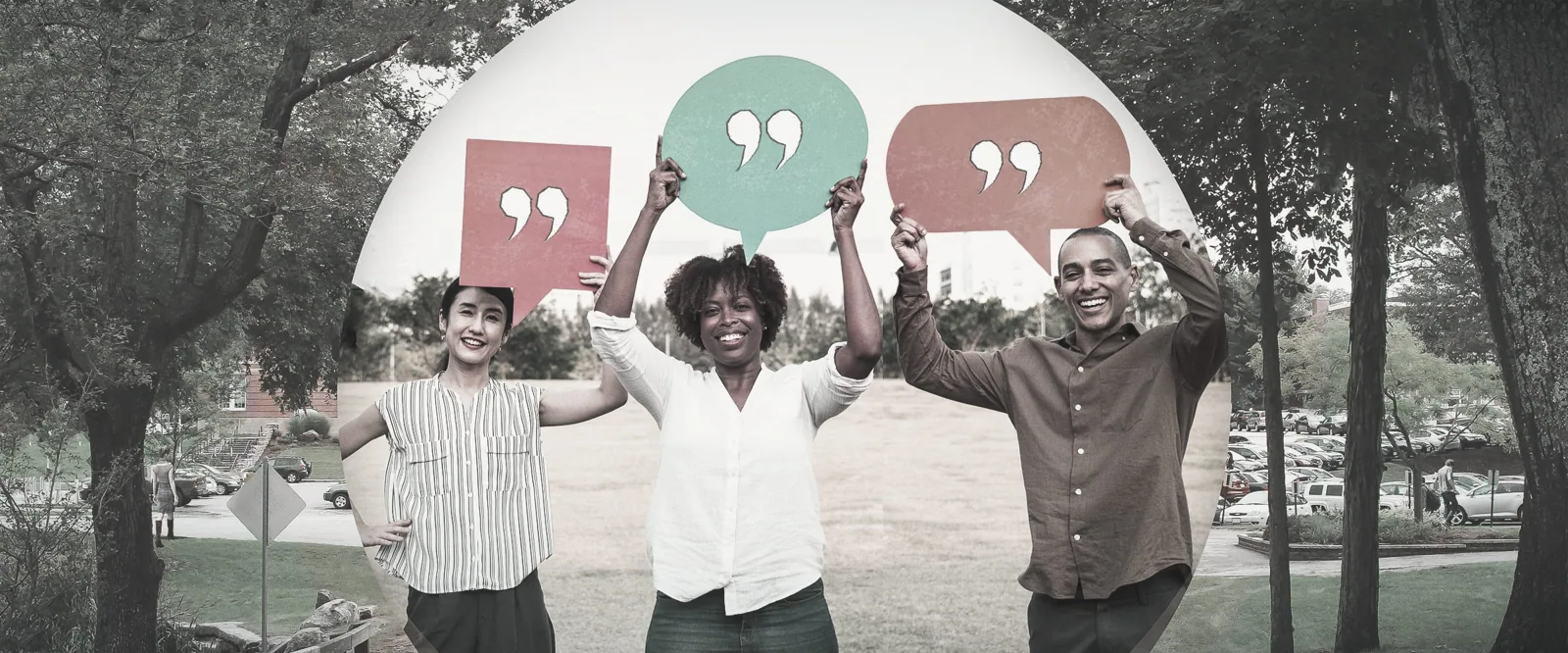
Always be respectful and professional when corresponding with a professor or course instructor. Using “Dear” to begin emails, using the professor’s last name (i.e. Professor Brown), and signing off with a “Thank you,” or “Sincerely” goes a long way!

Align your strengths with your interests. Find a supportive mentor. Be willing to accept some trial-and-error. Autistic students can succeed in STEM.
Scheduling your time well is one of the simplest and most effective strategies to achieving success at college! But how can we schedule our time well? Read on to find out.

Autistic students must define obvious needs, such as academic and transportation accommodations, but it is also beneficial to measure more nuanced needs such as independence and social living.

Special interests are your Marauder’s Map, your hyperdrive, and your superpower. Let’s dive into how they work.

Laura Gilmour shares her journey from new student learning about college expectations to confident graduate student conducting her own STEM research.

Our sensory experiences don’t only depend on the sensory input—don’t only depend on the properties of the specific sensory stimulus we experience—but also depend on other factors.

When students receive peer support, they are much less likely to feel isolated and marginalized. Judy Goldstein discusses ways peer mentoring groups help autistic students thrive.
The keys to starting your organization will be motivation, a specific focus, and patience with the logistics necessary to getting it running.

Patrick Dwyer has an organizational secret to share that’s “so well hidden, concealed so elegantly, that even many neurotypicals are unaware of it.”

Contributor Thad Campbell and social worker Matthew Morse discuss how parents of aspiring college STEM students can secure valuable HS services for them

Answer questions about the syllabus. Use unambiguous language. Julia Leverone shares simple supports that autistic students can ask their professors for.

Dr. Julia Leverone demystifies the process of talking to college professors for autistic students and explains why it can be helpful to approach them.

STEM grad student Patrick Dwyer on being autistic and registering for classes. We don't want to say this is THE definitive class registration post, but it's pretty definitive.

Only you can say whether you are upset by any of these common sensory challenges, and whether there are stimuli that distress you that I haven’t listed here. You can hardly develop coping strategies if you’re not sure what you’re coping with!
Our very wise (and funny) contributor Patrick Dwyer has pondered the value of jobs and volunteer experience for autistic students: prepare to be illuminated

I’ll do my best to introduce the problem and provide a sort of vocabulary and framework that we can use to help understand our own sensory experiences.
How joining autism-specific student groups can enhance your college experience, helping you make friends, build skills, and develop academic connections.
How parents of students who have both autism and OCD can support their teenagers' and young adults' mental heath and academic success
When the first day comes, it can bring a variety of emotions and complications. The good news is, there are ways to soften the impact of this radically new experience.

Organizational whiz Katie Matthews shares techniques to help autistic students optimize their studying to earn good grades on exams and major papers

Autism advocate Justin Robbins makes an impassioned case for a positive view of autistic experience and points out how autistic strengths can fit with STEM fields

How professional development workshops helped me gain valuable insight and strategies for creative instruction through the application of Universal Design for Learning (UDL) techniques.

College transition expert Susan Woods explains what classroom accommodations are typically available to autistic students

You know college accommodations exist, but how do students activate them? College transition expert Susan Woods explains the process.
How can you get a clear sense of the quality of a Disabilities Office and the kinds of support their staff and programs provide? College transition expert Susan Woods shares some tips.

College transition expert Susan Woods explains how professors can collaborate with autistic students and the Disabilities Office to support academic success

At a community college near you: programs to support academic and social success for autistic students. Check out these four examples.

Contributor Katie Matthews breaks down the "hidden meaning" in common syllabus components for autistic students. Learn how to make the calendar work for you
Say what? Contributor Katie Matthews breaks down some common syllabus phrases for autistic students, helping to make course expectations clearer.

Consider the syllabus a mini-rule book. These documents can be upwards of seven or eight pages (yikes!), but Katie Matthews helps students sort it all out.

Physics-lover and Editorial Board Member Arianne Garcia explores challenges in her academic experience related to autism, and how she found her professional path

You know who is hiring autistic individuals? Microsoft, for one! Learn about their innovative process and how their recruiting people on the spectrum.
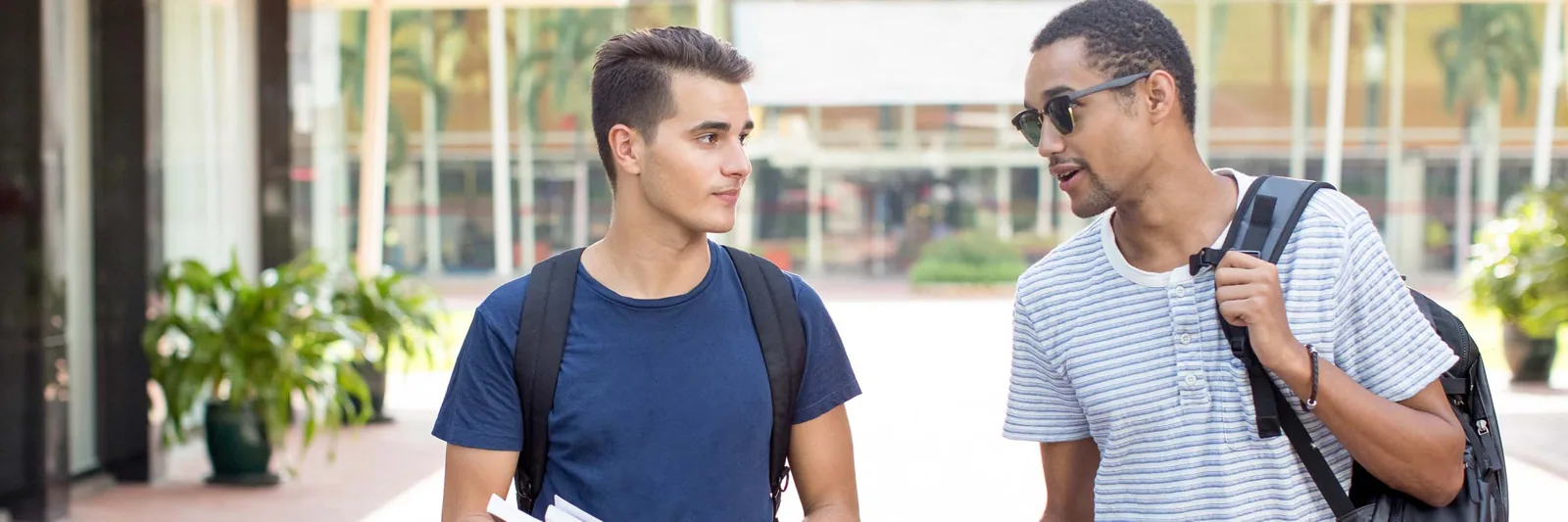
Justin Robbins's blog about living with a roommate in college and being autistic has tons of great advice and perspective--bring on that roommate survey!
There’s something incredibly special about communities of autistic and neurodivergent people: we’re not all alike, but we all know what it’s like to be different, which makes us more accepting of people for who they are.
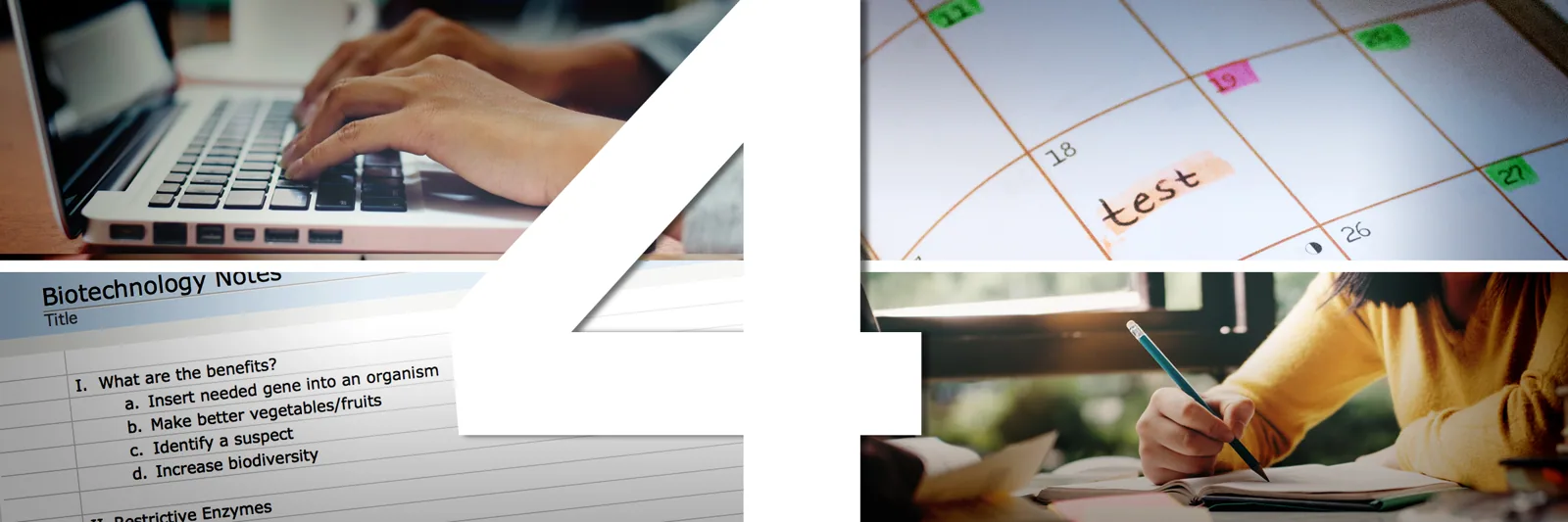
Hate the word "organization"? This post might change your mind!

Shared interests (or special interests) don’t just give you something to talk about: they can reflect shared values and shared tastes that will build the foundation for a lasting, loving relationship where you never run out of things to talk about.
"I do best when": college transition expert Susan Woods shares how self-assessment can help autistic students advocate for what they need and why
The syllabus is "the ins and outs of the class." College transition expert Susan Woods explains why it's so important and why autistic students should approach their professors about it
Hello! It’s good to finally talk with you. I’ve wanted to do this for years now. How are you doing? You don’t have to say “good” or anything else like that unless you mean it. It’s kind of odd how we (society) ask that question but there’s only one acceptable answer.

Even if you know you want to disclose your autism to a professor and know what you want to say, this template can help ensure you communicate confidently

We're big fans of SAP, whose inclusive-hiring practices are geared in part toward hiring autistic job candidates. Read on to learn more about their process.
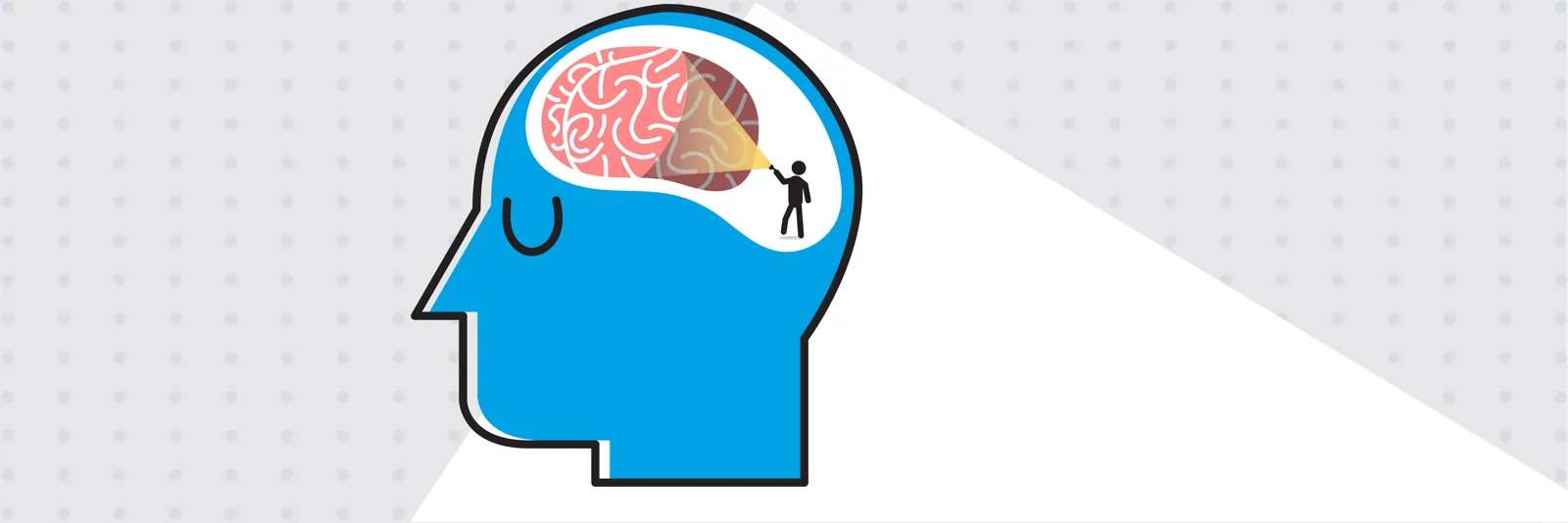
Are you an autistic college student who feels worried or stressed, and want to know whether there's more going on? This post may provide some answers.

Open admissions, articulation agreements with four-year colleges, flexible schedules, low cost, robust support services--autistic students can thrive at community colleges.

Tech leaders are paving the way for greater autism-inclusivity in the workforce, rethinking the interview, providing accommodations, and investing in people

Most of us like to share a meal at a restaurant, and Purple Table Reservations is making that easier for autistic people and other people with disabilities, which can make dining out a challenge.

Practice life-skills. Find a point-person on campus. Encourage your autistic student's self-advocacy. Becker discusses these and other supports for students on the spectrum preparing to transition to college.

FERPA. IDEA. ADA. After reading this article, you'll have a clearer understanding of these laws and what they mean for you and your autistic college student.
Maureen Perkins and her son who has autism started planning his college transition his sophomore year of HS. It paid off. Strategies that worked for them.
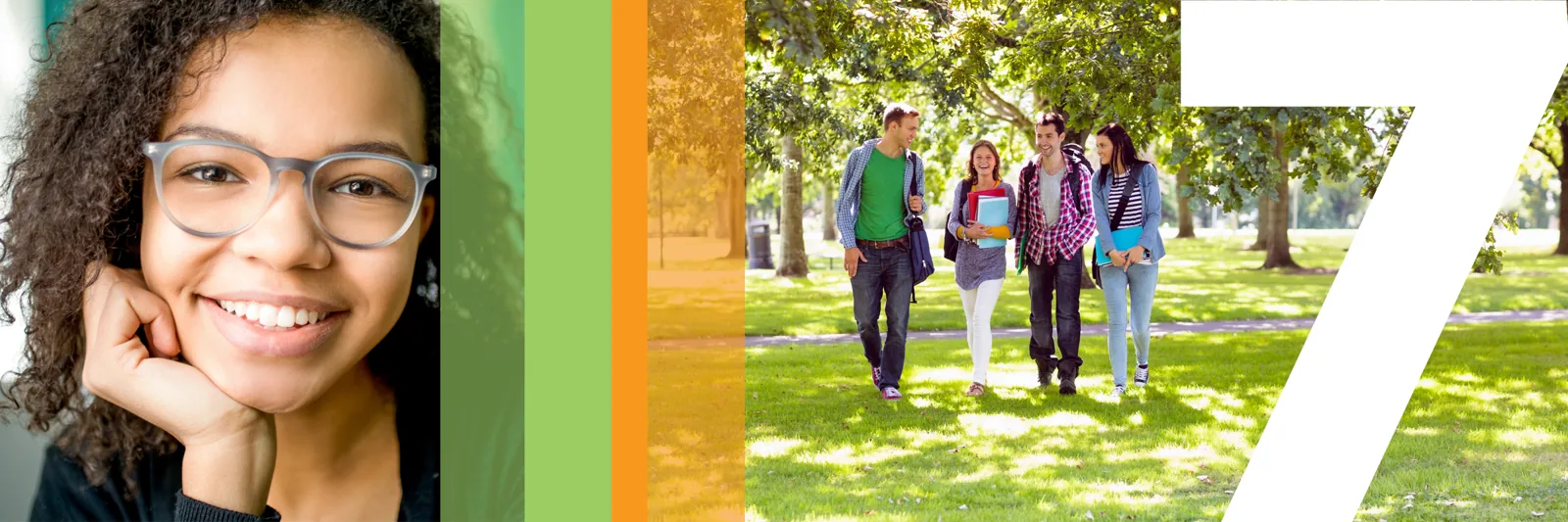
Taking campus tours, exploring student activities, and accepting a little anxiety. Things autistic students can do to make college transition, well, if not "a breeze," a little less intimidating!

Emotional safety, physical safety, and practical considerations that help autistic students create and maintain a variety of healthy relationships.

Advocates for autistic college students, including Editorial Board Members Sara Sanders Gardner and Theresa Revans-McMenimon, share tips for professors.

Boosting productivity is just one of the benefits to having more people who have an autism diagnosis represented in the work force. Read on to learn more.

What academic, professional, and social skills are you hoping to develop? Is a four-year college, a two-year program, or technical certificate the right fit? Having clear and realistic goals will prepare you for the next steps.

Anxiety can be especially overwhelming and negatively impact the school experience. Luckily, there are many strategies you can use to reduce your anxiety and make you feel more confident and positive. Remember: you are not alone!

Meeting with the Disabilities Services Office during your first week of college classes is just one important step for autistic students.

Be prepared to step back. This might be easier said than done, but treating your autistic student like an adult is key to their academic growth.

Accommodations. Supports. Privacy Laws. These and other considerations can help autistic students decide whether to disclose their diagnosis in college.
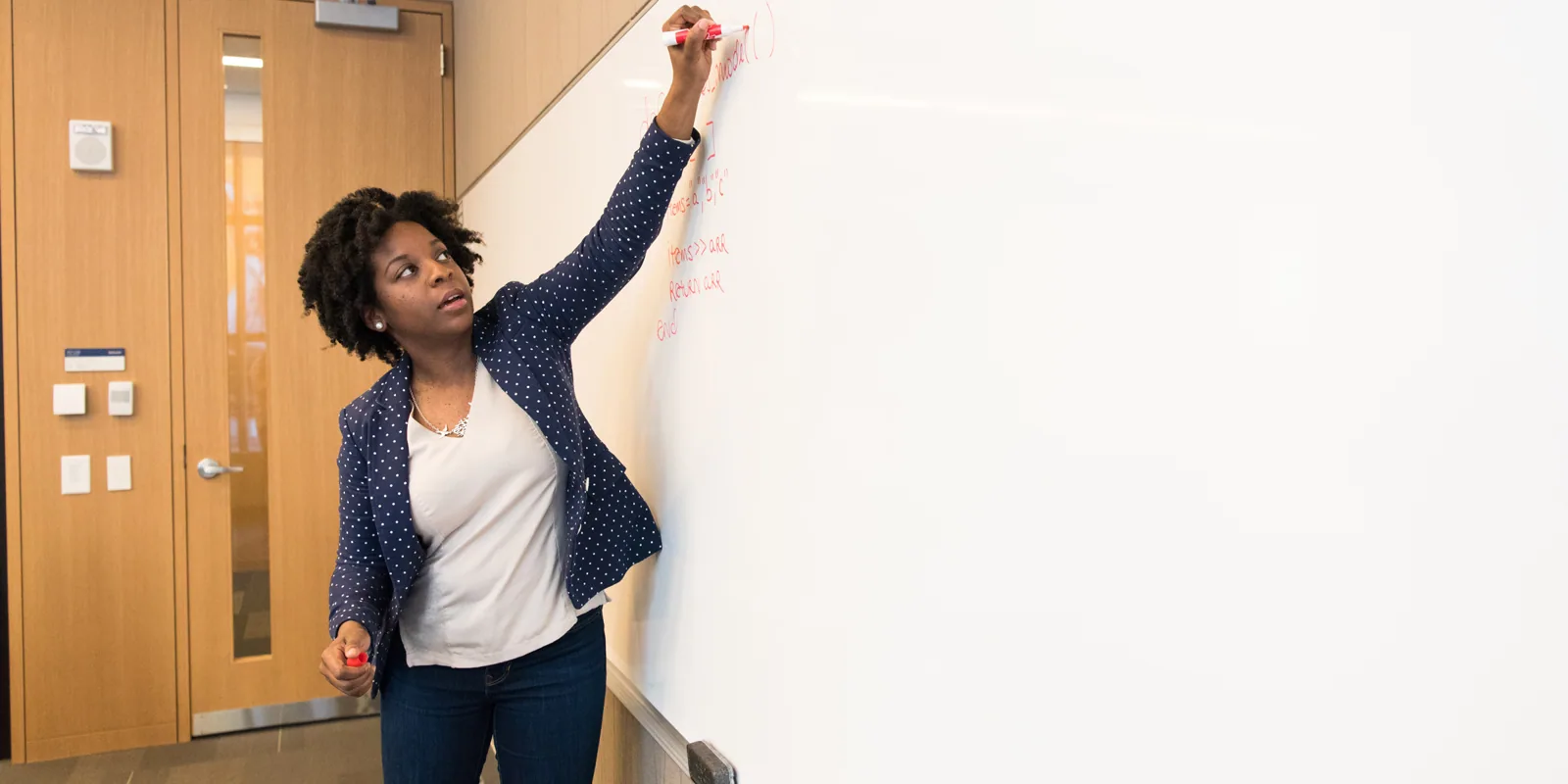
Unsure what providing accommodations to autistic students means in practical terms? Accommodations can be easy to implement and bring positive results.