Educators
Autism in the Classroom: Making Education Accessible
Autistic STEM grad student Patrick Dwyer recommends families and autistic students take a self-guided campus tour. Video tour of UC Davis, packed with tips.
3 min read
47 articles in Educators
Autistic STEM grad student Patrick Dwyer recommends families and autistic students take a self-guided campus tour. Video tour of UC Davis, packed with tips.
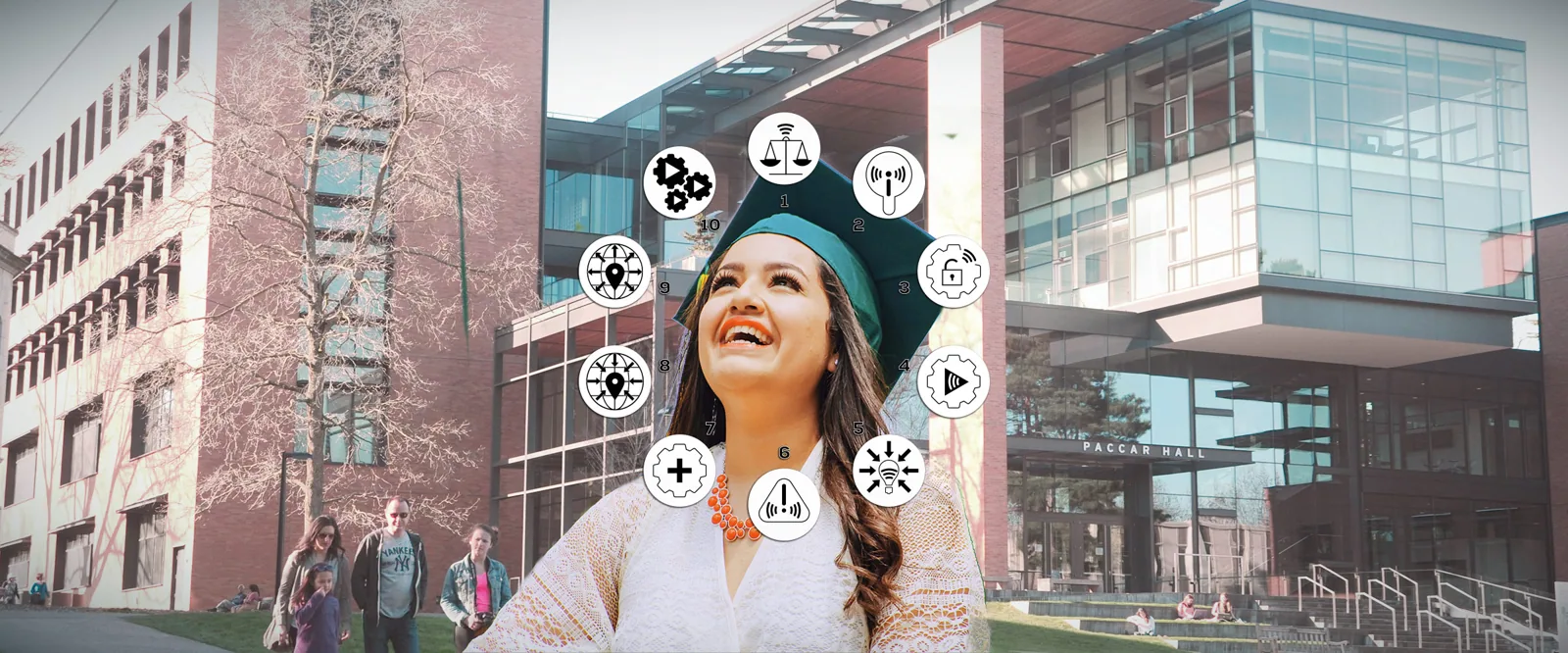
Looking for the top ten tips for improving college outcomes for autistic students? Here you go! Editorial Board Members Arianne Garcia, John Caldora, and Sara Sanders Gardner put together these tips for students…

STS is excited to present a 30-minute talk, "Improving College Outcomes: Autistic STEM Students," at this…
Earlier this summer, a tweet from Andrew Eddy of Untapped in Australia caught my eye. I reached out to learn more about his organization and their…
Editorial Board Member Arianne Garcia considers the way various forms of discrimination can compound negative STEM college outcomes for autistic students in relation to race, gender, and sexuality. She begins by…
In Part Two of my interview with Boston-based diversity consultant Sam Ellison, we discuss how both upper management and general employees have responsibilities when creating institutional change. ([Read Part One…

Dr. Lisette Torres on creating a STEM familia or family. Why a sense of connection can be important for STEM populations underrepresented in college.

Hear about one student's experience in an inclusive concurrent enrollment program, and what he's up to in college now.

For many autistic and neurotypical students, college presents a depth of challenges, course material, and independence that they likely haven’t had much experience with before. UDL can support instruction and student growth.

If we ban technology, we are hurting some of the most vulnerable students and infringing on their rights to access accommodations.
This is the final part of a three-part series about being an autistic graduate student. In [part…
I can't overstate this enough: the most important part of graduate school is finding nice people, having a kind, supportive mentor, and having peers who support each other.
Transitioning to any sort of new school is like taking notes in class - messy. It also feels like everyone else is walking around with a navigation system while you're just fumbling about. Sometimes though, other people let you know that they don't have a GPS either!
On one hand, disclosing too early could create bias that eliminates you from the competition. On the other hand, disclosing provides context that can help you have a more successful interaction with a future employer.

Faculty, ask questions and seek to understand the accommodations process to help dispel misconceptions about unfair advantages for students receiving accommodations.
Quick tips for instructors and students about supporting neurodivergent students in the college classroom.

Video interview. If you've already watched our brief videos on what UDL is, how to implement it, and tips for group work, this one can direct you to further resources.

"This is the most fundamental lesson in founding an autistic student club: you are not alone": college support group founder Justin Robbins.
Video. STEM grad student Patrick Dwyer sits down with UC Davis’s Accessible Tech Analyst Joshua Hori for an overview of Livescribe Smartpen, Sonocent Audio Notetaker, and ClaroPDF.

Stuck in a rut with group work? This brief video offers simple steps for using UDL principles to improve your group work outcomes.

Simple steps for incorporating UDL principles into your pedagogy. Lecture, resource, syllabus, and assessment strategies.

The goal is not to provide a golden ticket to whatever a student wants. The goal is to provide them with an equitable classroom experience that gives them an equal opportunity to succeed.
When you see bullying, act. One of the most important things people can do is not to become a "passive bystander" when others are being bullied.

Don’t be discouraged if a first or second attempt at reaching out fails—just look for the next opportunity.

To me, "honors" is about the quality of your work, the quality of your thinking. It's not about whether you can do this full time.

Audio interview. "It happens to people teaching in any kind of academic discipline, where students think [their instructors] can give them advice on things that they’re really not qualified to talk about. We’re discipline experts."
Audio interview. Dr. Schalomon: "If you don't quite know what the student needs, go to the student and ask."

Video interview. Brief discussion of one student's success auditing classes on a community college campus in preparation for the transition to higher ed.
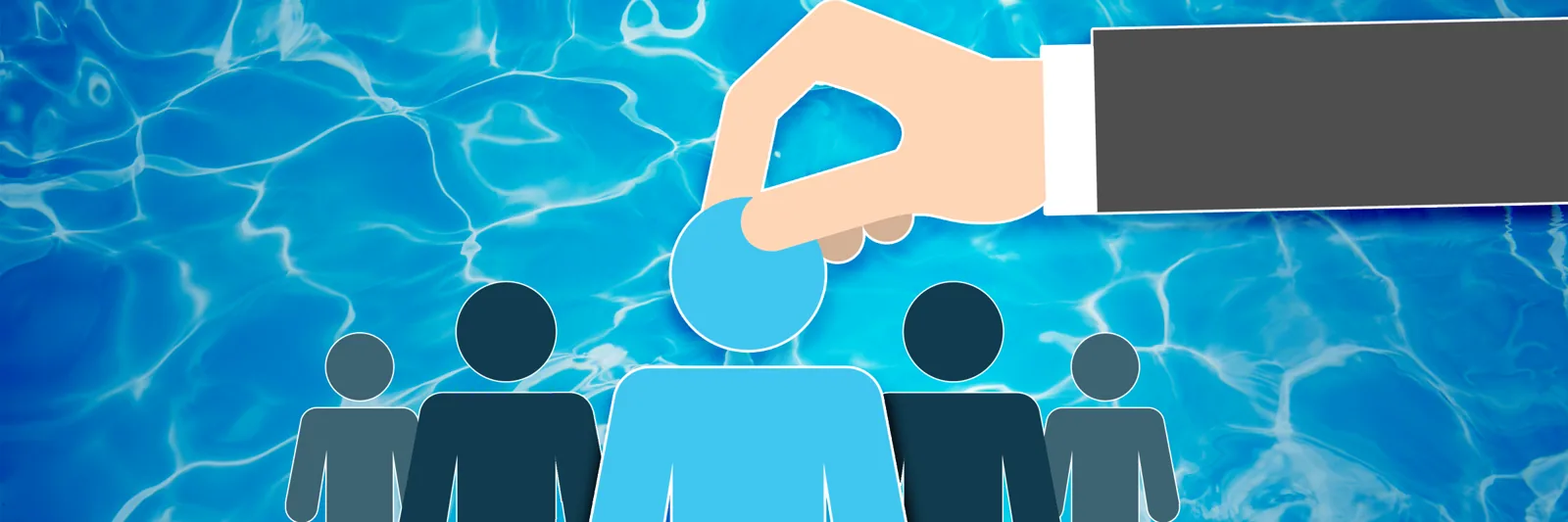
Be aware of unconscious bias in interviews, plan for it, and be prepared to disarm it if necessary. For example: if you find eye contact challenging, acknowledge it and then communicate that you are glad to be there and are engaged in the discussion.

When we talk about folding autistic and differently-abled students into community colleges and STEM careers, what we’re really talking about is best practices for everyone. It follows that when our most disadvantaged students’ needs are met, we are leveling the playing field for all, with or without a “documented need.” Thank you for believing in students like me.

UDL is a framework for designing based on three broad principles tied to how our brain functions in terms of networks.

What advantages are there to adjusting the traditional grading system and working on something more specific to an individual student?

Video interview. Having your syllabus state that you support students with disabilities is just one way to create inclusivity and demonstrate your support for all students.

Young people on the spectrum often feel increased judgement and pressure to fit in with their [neurotypical] peers...We need more awareness of the mental health issues many young people on the spectrum may face.
Sometimes it’s not possible to avoid a sensation. When you’re exposed to a distressing stimulus, try to breathe slowly and deeply.
Always be respectful and professional when corresponding with a professor or course instructor. Using “Dear” to begin emails, using the professor’s last name (i.e. Professor Brown), and signing off with a “Thank you,” or “Sincerely” goes a long way!

The keys to starting your organization will be motivation, a specific focus, and patience with the logistics necessary to getting it running.

Contributor Thad Campbell and social worker Matthew Morse discuss how parents of aspiring college STEM students can secure valuable HS services for them

Answer questions about the syllabus. Use unambiguous language. Julia Leverone shares simple supports that autistic students can ask their professors for.
How joining autism-specific student groups can enhance your college experience, helping you make friends, build skills, and develop academic connections.

Autism advocate Justin Robbins makes an impassioned case for a positive view of autistic experience and points out how autistic strengths can fit with STEM fields

How professional development workshops helped me gain valuable insight and strategies for creative instruction through the application of Universal Design for Learning (UDL) techniques.
College transition expert Susan Woods explains how professors can collaborate with autistic students and the Disabilities Office to support academic success

Even if you know you want to disclose your autism to a professor and know what you want to say, this template can help ensure you communicate confidently

Advocates for autistic college students, including Editorial Board Members Sara Sanders Gardner and Theresa Revans-McMenimon, share tips for professors.
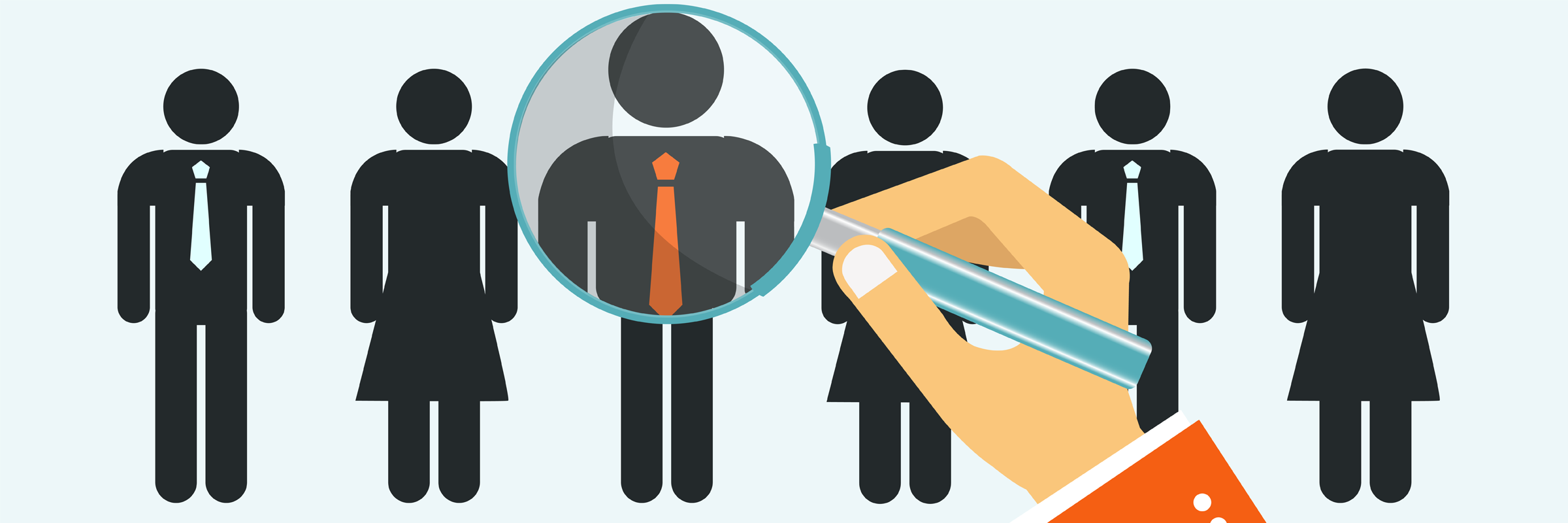
Boosting productivity is just one of the benefits to having more people who have an autism diagnosis represented in the work force. Read on to learn more.
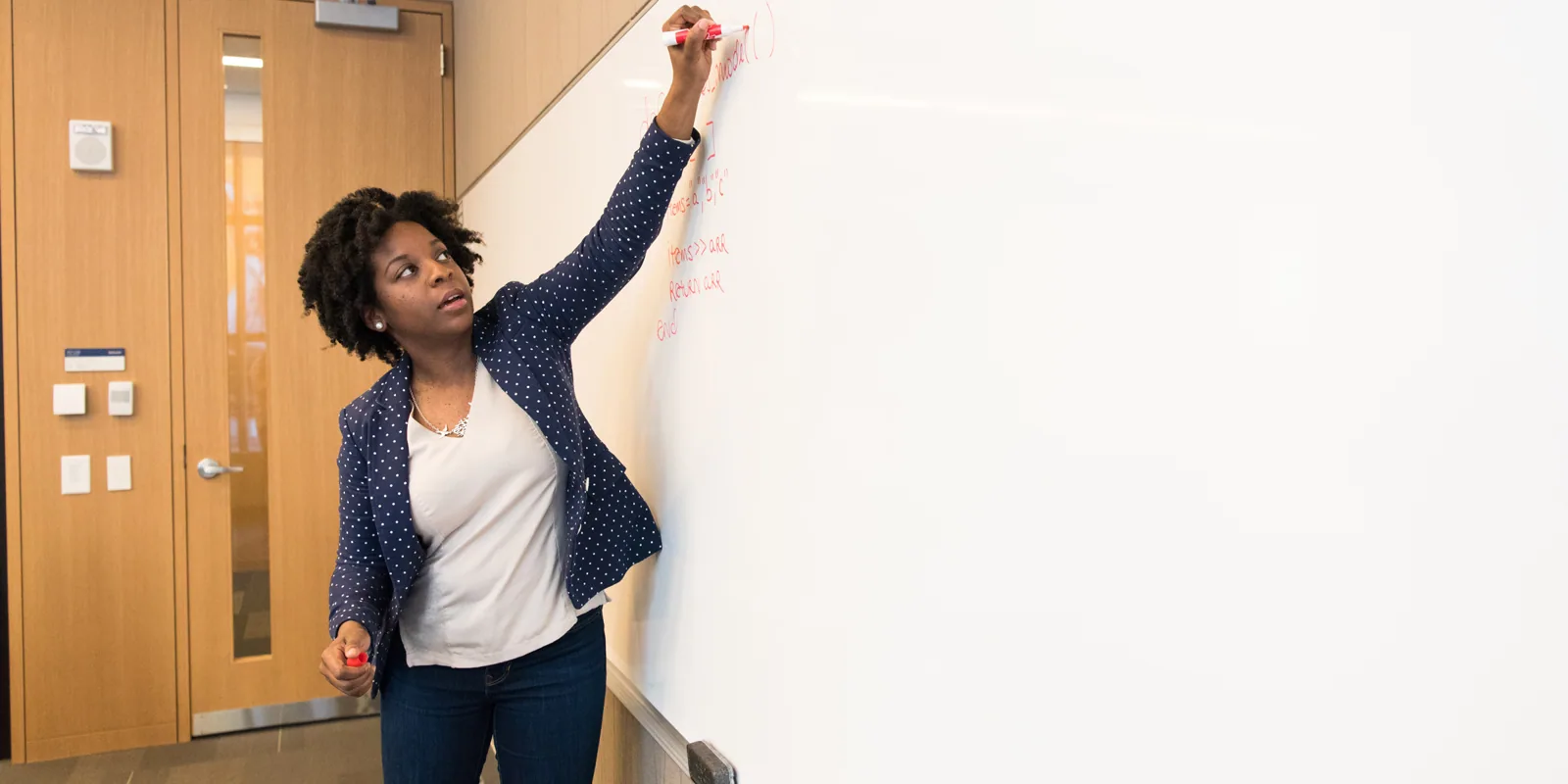
Unsure what providing accommodations to autistic students means in practical terms? Accommodations can be easy to implement and bring positive results.