
Educators
Autism in the Classroom: Making Education Accessible
Autistic STEM grad student Patrick Dwyer recommends families and autistic students take a self-guided campus tour. Video tour of UC Davis, packed with tips.
3 min read
83 articles in Families
Autistic STEM grad student Patrick Dwyer recommends families and autistic students take a self-guided campus tour. Video tour of UC Davis, packed with tips.
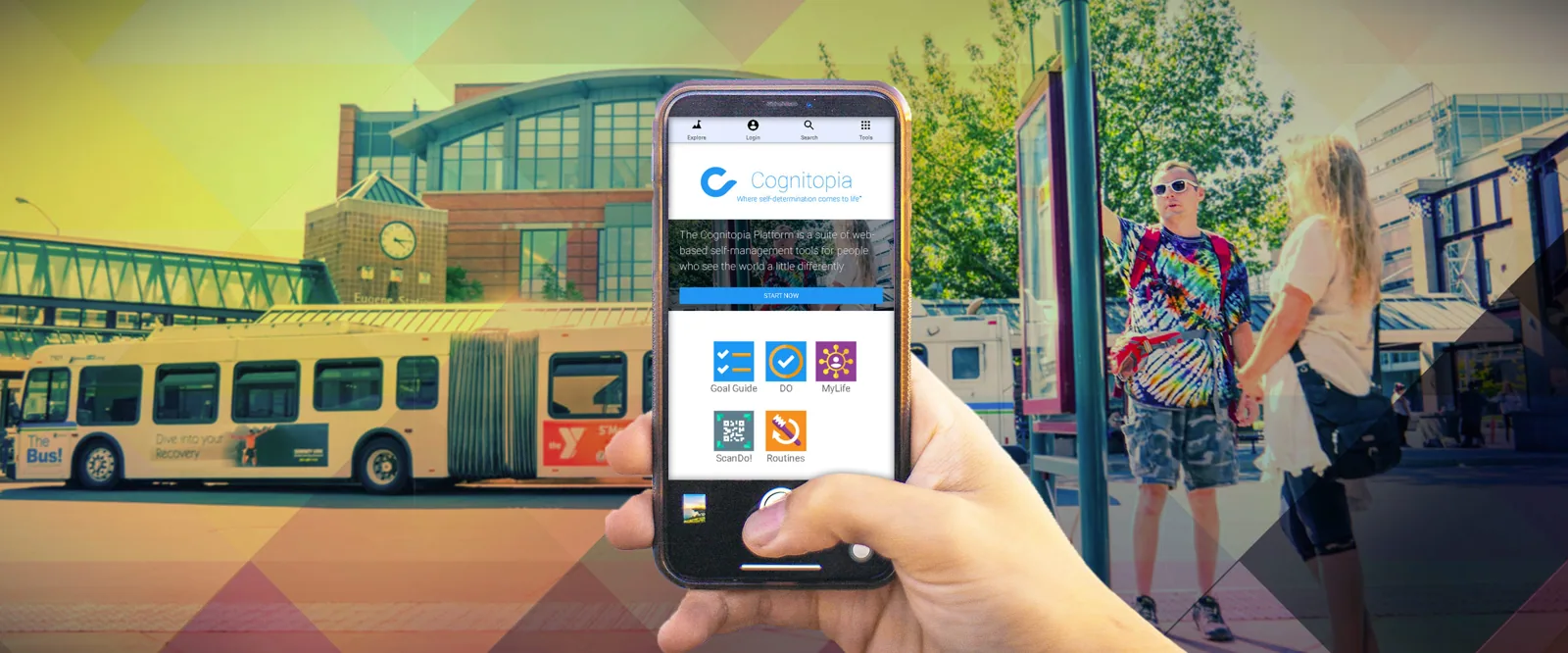
STS is proud of our work to support autistic students in the college transition, particularly in STEM fields. Much of our content is geared for students whose main challenges may be less about academics and more about…
I reached out to Haley Moss a few months ago about conducting an interview around autistic self-advocacy, and I was so pleased when she agreed to…
Alex Shankland is a close friend of mine from Tufts University. We met in freshman year. I told him I was autistic a few weeks later. We’ve been friends ever since. Justin Robbins: Can you…

We know there are many different paths to a STEM career, and other STS contributors have written about [approaches to your time at…

Earlier this summer, a tweet from Andrew Eddy of Untapped in Australia caught my eye. I reached out to learn more about his organization and their…
Editorial Board Member Arianne Garcia considers the way various forms of discrimination can compound negative STEM college outcomes for autistic students in relation to race, gender, and sexuality. She begins by…
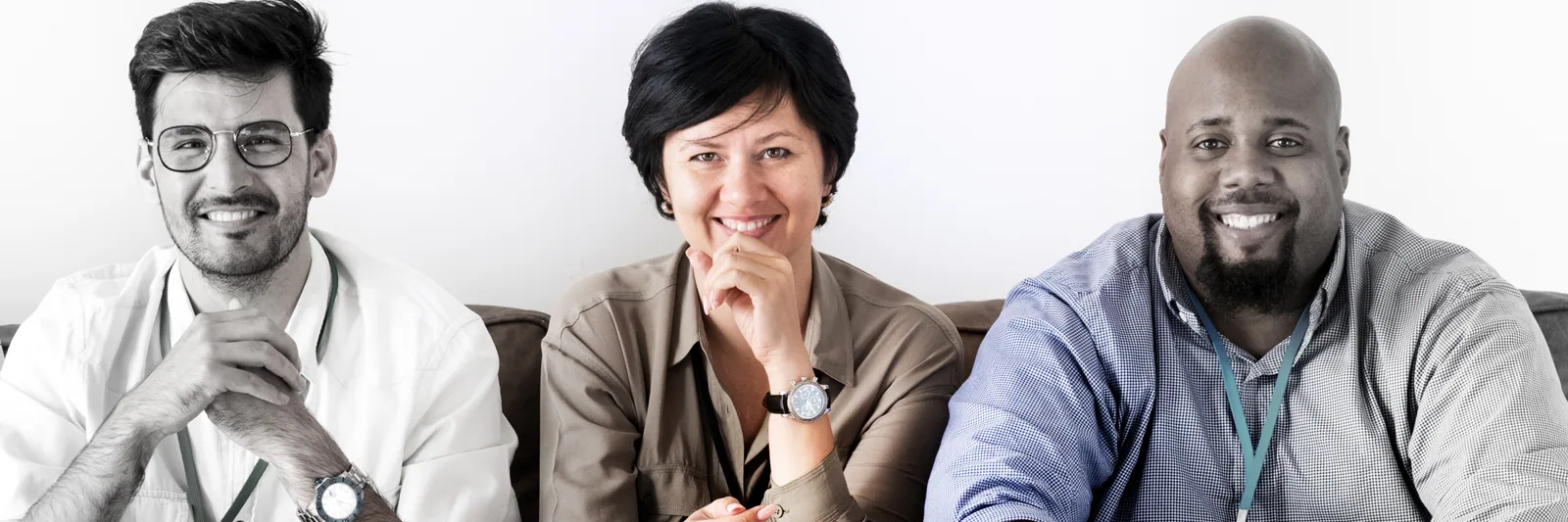
In Part Two of my interview with Boston-based diversity consultant Sam Ellison, we discuss how both upper management and general employees have responsibilities when creating institutional change. ([Read Part One…

Building social confidence levels means being prepared and knowledgeable in a variety of common situations. Learn more here.
Understanding privacy laws in relation to autism and college student rights can help students and families prepare for the college transition.

Dr. Lisette Torres on creating a STEM familia or family. Why a sense of connection can be important for STEM populations underrepresented in college.

Social dynamics of college classrooms for autistic students. STEM grad student Patrick Dwyer gives an overview of how college differs from high school.
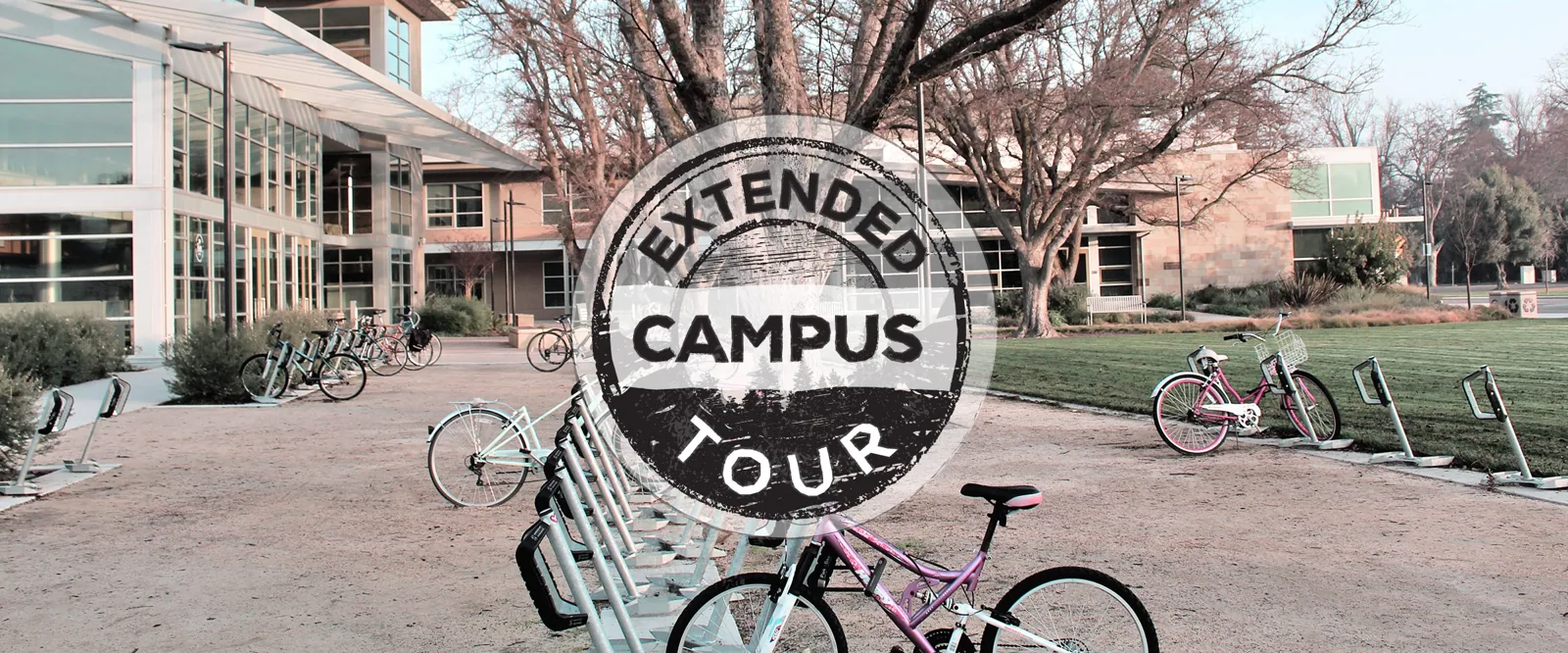
Autistic STEM grad student Patrick Dwyer recommends families and autistic students take a self-guided campus tour. Video tour of UC Davis, packed with tips.
Contributor Chelsea Harris explores college transition programs for autistic students as well as the transition process, including different support models.
Video interview. Patrick Dwyer and UC Davis Disability Specialist Dr. Joseph Spector discuss the role of Disability Services Offices on campuses.

Hear about one student's experience in an inclusive concurrent enrollment program, and what he's up to in college now.

Brief video. Declaring a disability in college? College transition expert Susan Woods introduces families to the basics in order to access accommodations.

Video overview of college student housing with STEM grad student Patrick Dwyer. Noise, room accommodations, issues with roommates, and more.

Sometimes we hear a lot about autism and STEM, and it can feel unthoughtful. Here, contributor Katie Matthews helps students clarify whether a STEM field might be a match for them, and which particular fields could be a good fit.

Autistic students do come through the CWE program in our department...We find that the student who has gone through CWE with an employer has an easier time transitioning to full time employment due to the created familiarity with the employer and/or coworkers.

Hear from an autistic STEM employee about the college transition and how he's succeeding in the workforce.
I can't overstate this enough: the most important part of graduate school is finding nice people, having a kind, supportive mentor, and having peers who support each other.
Transitioning to any sort of new school is like taking notes in class - messy. It also feels like everyone else is walking around with a navigation system while you're just fumbling about. Sometimes though, other people let you know that they don't have a GPS either!

Prospective students and families should visit the colleges and universities. Talk to the people who provide support, assess the culture and “feel” of the community, and find the best fit for the individual.
Additional scholarships include the Anne Ford and Allegra Ford Thomas Scholarships (two scholarships) and the Lisa Higgins Hussman Scholarship, 15 of which were awarded last year.
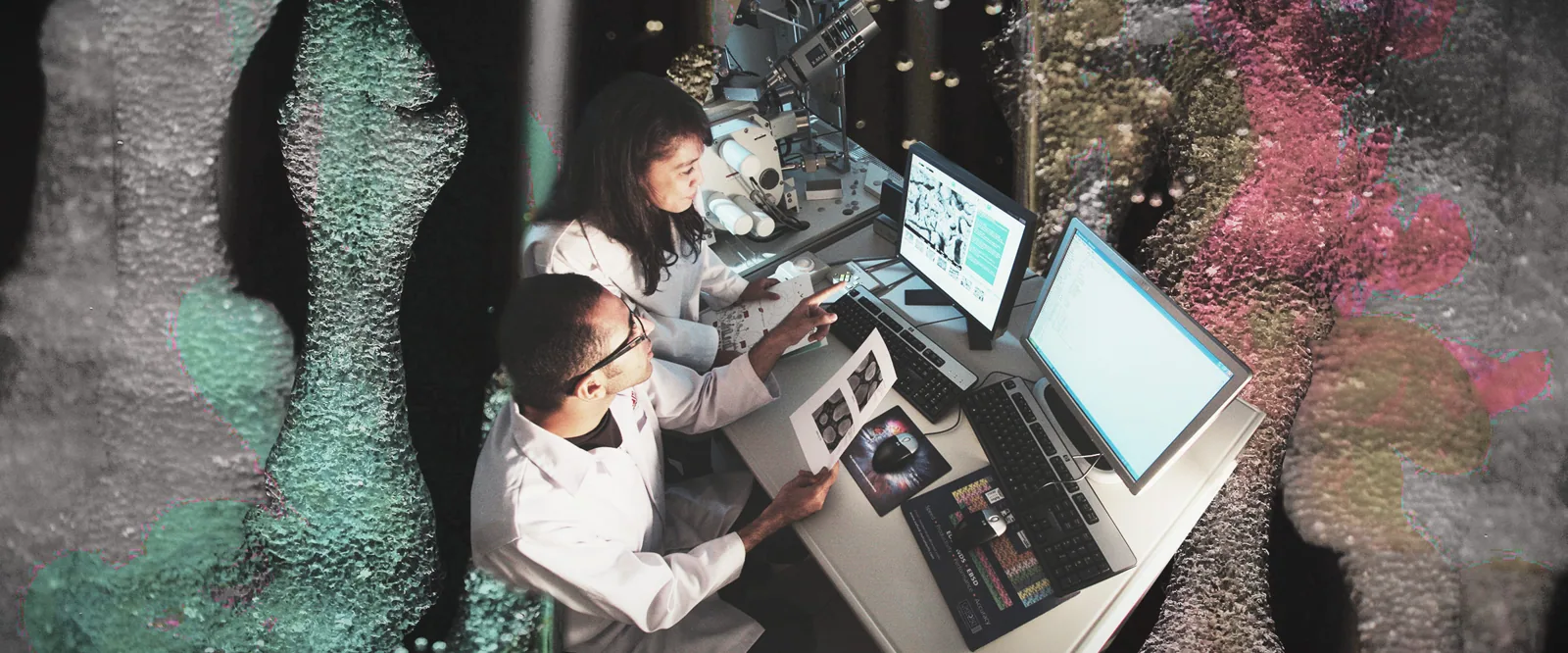
On one hand, disclosing too early could create bias that eliminates you from the competition. On the other hand, disclosing provides context that can help you have a more successful interaction with a future employer.

Speech and language pathologist Katie Matthews introduces students to “Get Ready, Do, Done” a useful model that supports executive functioning challenges. She then takes a deeper dive into the model, sharing how it can…

Video. Brief overview of the kinds of supports students and families can expect in the college environment. Can vary a lot by institution.

Your academic journey may take some time, maybe even lots more time. Do your best and enjoy the ride, and don’t judge your self-worth by the length of time it takes to complete a degree, the grades you earn, or the salary you make.

The importance of structuring student time and why considering a reduced course load can support positive transition outcomes.
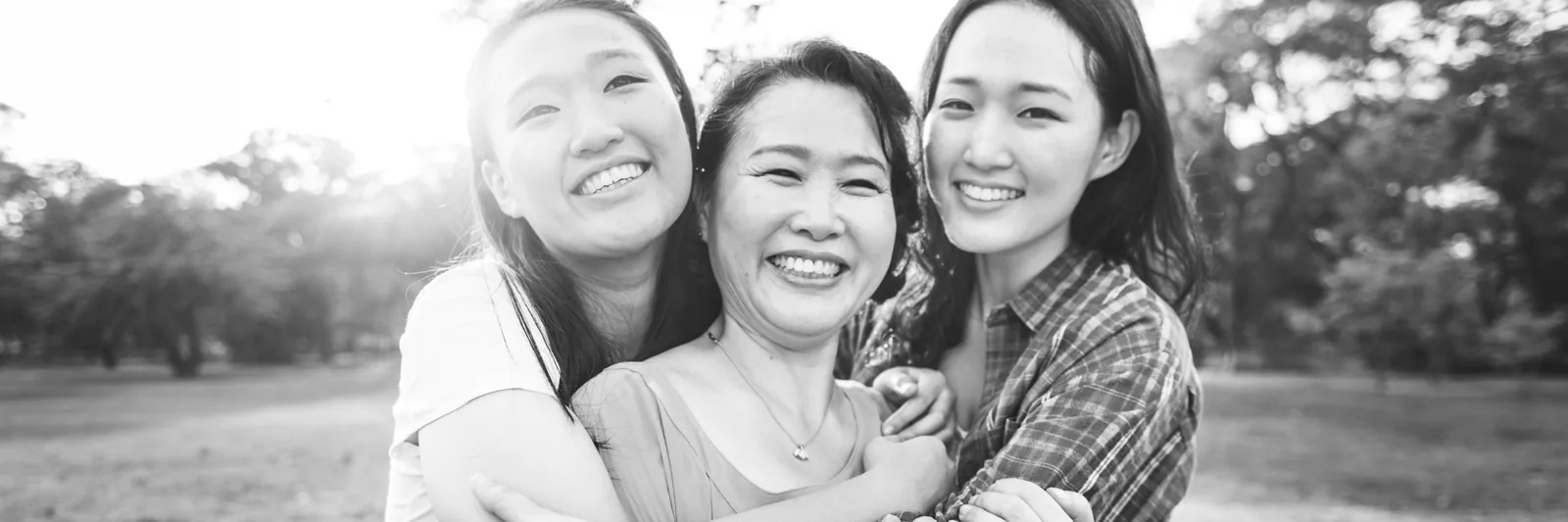
What can you do as a parent to act in “autonomy-supportive” ways? We’re glad you asked! You can support developmental processes in an independence-focused and communication-driven environment at home.

Video interview. How should families navigate the transition from HS to college with their autistic student? Steps to take now for increased self-advocacy and for encouraging internal motivation.

If you are trying to break into software engineering, I can’t recommend sites like HackerRank enough--they’ll get you used to approaching problems in a systematic way that will come in handy in interviews.

Video. STEM grad student Patrick Dwyer sits down with UC Davis’s Accessible Tech Analyst Joshua Hori for an overview of Livescribe Smartpen, Sonocent Audio Notetaker, and ClaroPDF.

I am putting this next sentence in bold because it is very important: The only way to get good information about the unwritten expectations of preparing for graduate school is to talk to the experts – to your professors and your TAs.
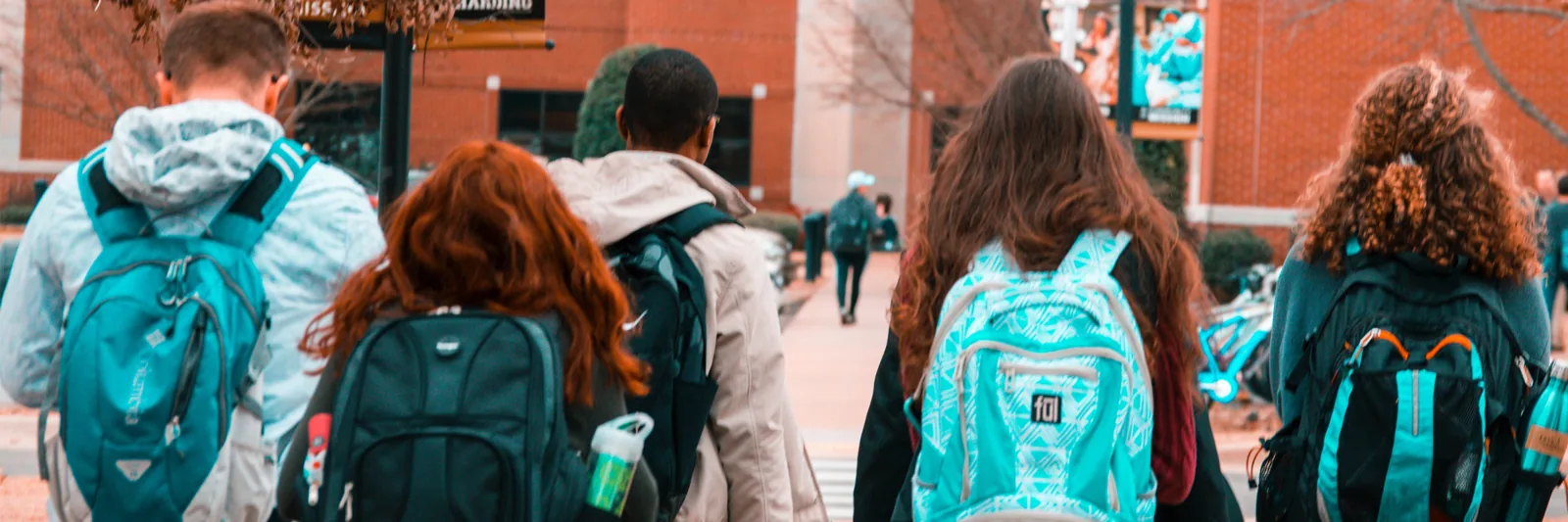
The goal is not to provide a golden ticket to whatever a student wants. The goal is to provide them with an equitable classroom experience that gives them an equal opportunity to succeed.

Video with subtitles. A brief but wide-ranging exploration of what a successful transition takes and how to achieve it.

When you see bullying, act. One of the most important things people can do is not to become a "passive bystander" when others are being bullied.

Don’t be discouraged if a first or second attempt at reaching out fails—just look for the next opportunity.

Many STEM careers and college courses are thought to focus on “computer work” without much emphasis on the human interaction necessary for success. Oftentimes, however, collaboration with peers can be daunting but necessary to advance one’s studies and career.

Video. The transition to university is major, major change, right? And, autistic people, we often thrive on predictability. It's really valuable to spend some time exploring the physical environment of a university campus before you start.
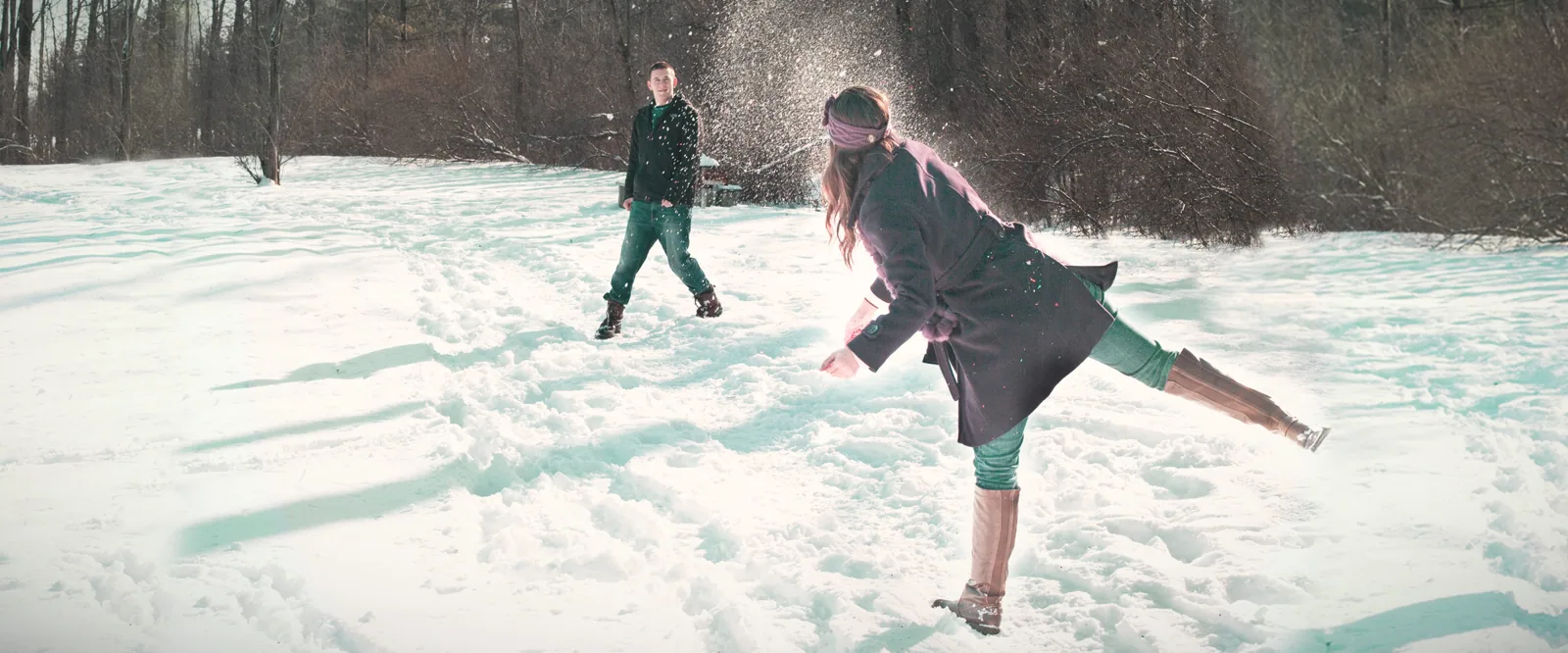
One thing to keep in mind no matter where you end up—be it a friend’s house, your family home, or a relative’s place—is that if you begin to feel overwhelmed by the new environment or sudden transition, you should look for a quiet place to gather your thoughts. Don’t worry about exiting a stressful situation and seeking a solitary spot to calm yourself.

Video Interview. Founding the Coalition for Autism Support at Tufts (CAST) created a sense of community that...I thought I would never have.
Audio interview. Dr. Schalomon: "If you don't quite know what the student needs, go to the student and ask."

Video interview. Brief discussion of one student's success auditing classes on a community college campus in preparation for the transition to higher ed.
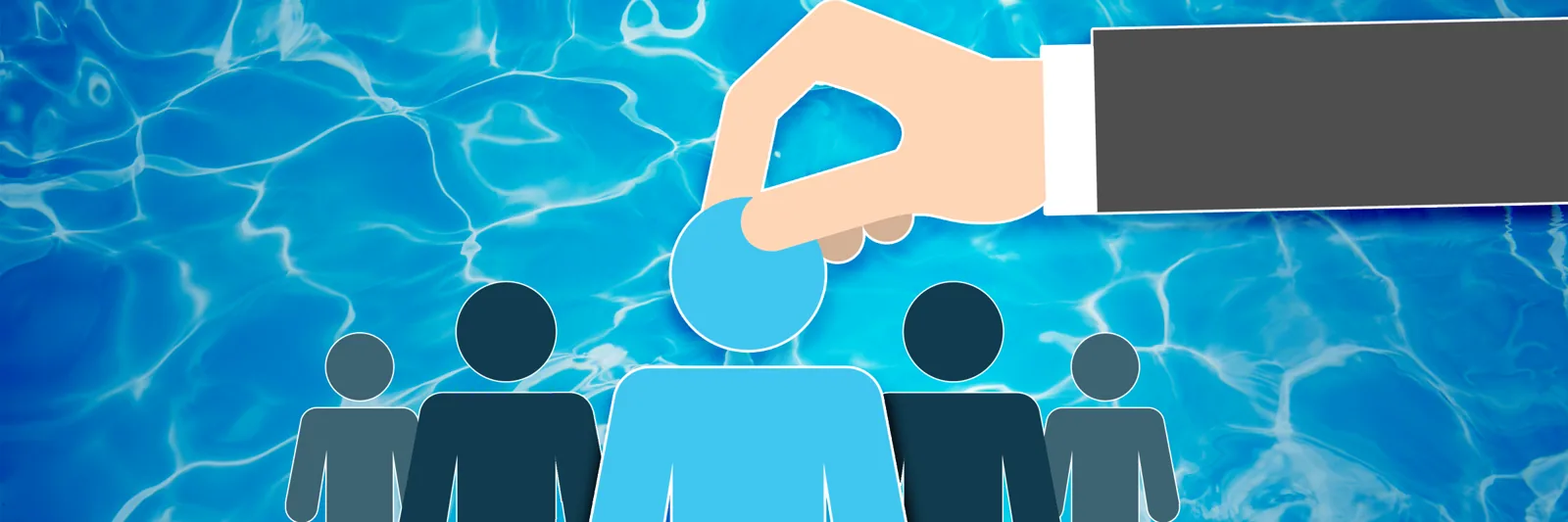
Be aware of unconscious bias in interviews, plan for it, and be prepared to disarm it if necessary. For example: if you find eye contact challenging, acknowledge it and then communicate that you are glad to be there and are engaged in the discussion.

it’s important to have some emergency numbers available at all times. Preferably, these numbers should be programmed on the phone and also available on a wallet-sized card in case the phone is dead and the student needs to borrow someone else’s. Parents, therapists, and a friend or roommate in the college town are all important numbers to have available.
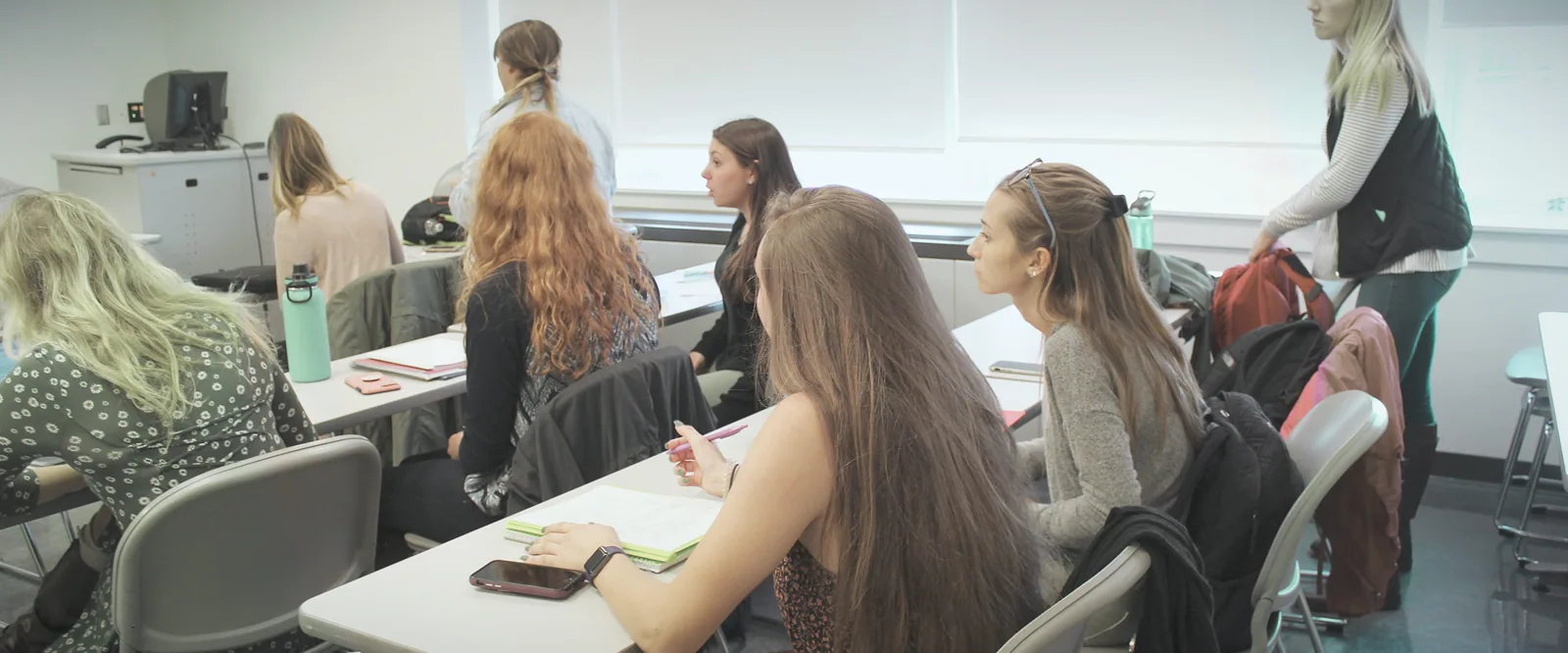
Video Interview. Attending dual enrollment classes allows students to get used to college work and what the demands are going to be. Plus, they accrue college credit in HS.
Interview. Availability for college students is important as well. Do therapists have office hours that coincide with their class schedule? What is their availability in between appointments if a need arises?

Video Interview. Students can find the community-based ethos of a community college conducive to taking smaller steps and breaking processes into manageable parts.
Video interview. If transitioning to college becomes part of your everyday conversation, it becomes much easier for students to adapt.

When we talk about folding autistic and differently-abled students into community colleges and STEM careers, what we’re really talking about is best practices for everyone. It follows that when our most disadvantaged students’ needs are met, we are leveling the playing field for all, with or without a “documented need.” Thank you for believing in students like me.

In high school, many 504 plans are written to include use of assistive technologies in the public school setting. However, once at a higher education level, these supports still can be extremely helpful for a variety of reasons.

What advantages are there to adjusting the traditional grading system and working on something more specific to an individual student?
Not only were there more people who shared a special interest with me, but the ones who didn’t thought no less of me for having them. In fact, they thought it was interesting, because they had interests of their own, and we had a shared experience that way, autism or not.

Young people on the spectrum often feel increased judgement and pressure to fit in with their [neurotypical] peers...We need more awareness of the mental health issues many young people on the spectrum may face.
Always be respectful and professional when corresponding with a professor or course instructor. Using “Dear” to begin emails, using the professor’s last name (i.e. Professor Brown), and signing off with a “Thank you,” or “Sincerely” goes a long way!

Align your strengths with your interests. Find a supportive mentor. Be willing to accept some trial-and-error. Autistic students can succeed in STEM.

Scheduling your time well is one of the simplest and most effective strategies to achieving success at college! But how can we schedule our time well? Read on to find out.

Laura Gilmour shares her journey from new student learning about college expectations to confident graduate student conducting her own STEM research.

Contributor Thad Campbell and social worker Matthew Morse discuss how parents of aspiring college STEM students can secure valuable HS services for them
How parents of students who have both autism and OCD can support their teenagers' and young adults' mental heath and academic success

Autism advocate Justin Robbins makes an impassioned case for a positive view of autistic experience and points out how autistic strengths can fit with STEM fields

College transition expert Susan Woods explains what classroom accommodations are typically available to autistic students

You know college accommodations exist, but how do students activate them? College transition expert Susan Woods explains the process.
How can you get a clear sense of the quality of a Disabilities Office and the kinds of support their staff and programs provide? College transition expert Susan Woods shares some tips.

At a community college near you: programs to support academic and social success for autistic students. Check out these four examples.

You know who is hiring autistic individuals? Microsoft, for one! Learn about their innovative process and how their recruiting people on the spectrum.
"I do best when": college transition expert Susan Woods shares how self-assessment can help autistic students advocate for what they need and why
The syllabus is "the ins and outs of the class." College transition expert Susan Woods explains why it's so important and why autistic students should approach their professors about it

We're big fans of SAP, whose inclusive-hiring practices are geared in part toward hiring autistic job candidates. Read on to learn more about their process.

Open admissions, articulation agreements with four-year colleges, flexible schedules, low cost, robust support services--autistic students can thrive at community colleges.

Most of us like to share a meal at a restaurant, and Purple Table Reservations is making that easier for autistic people and other people with disabilities, which can make dining out a challenge.

Practice life-skills. Find a point-person on campus. Encourage your autistic student's self-advocacy. Becker discusses these and other supports for students on the spectrum preparing to transition to college.

FERPA. IDEA. ADA. After reading this article, you'll have a clearer understanding of these laws and what they mean for you and your autistic college student.
Maureen Perkins and her son who has autism started planning his college transition his sophomore year of HS. It paid off. Strategies that worked for them.
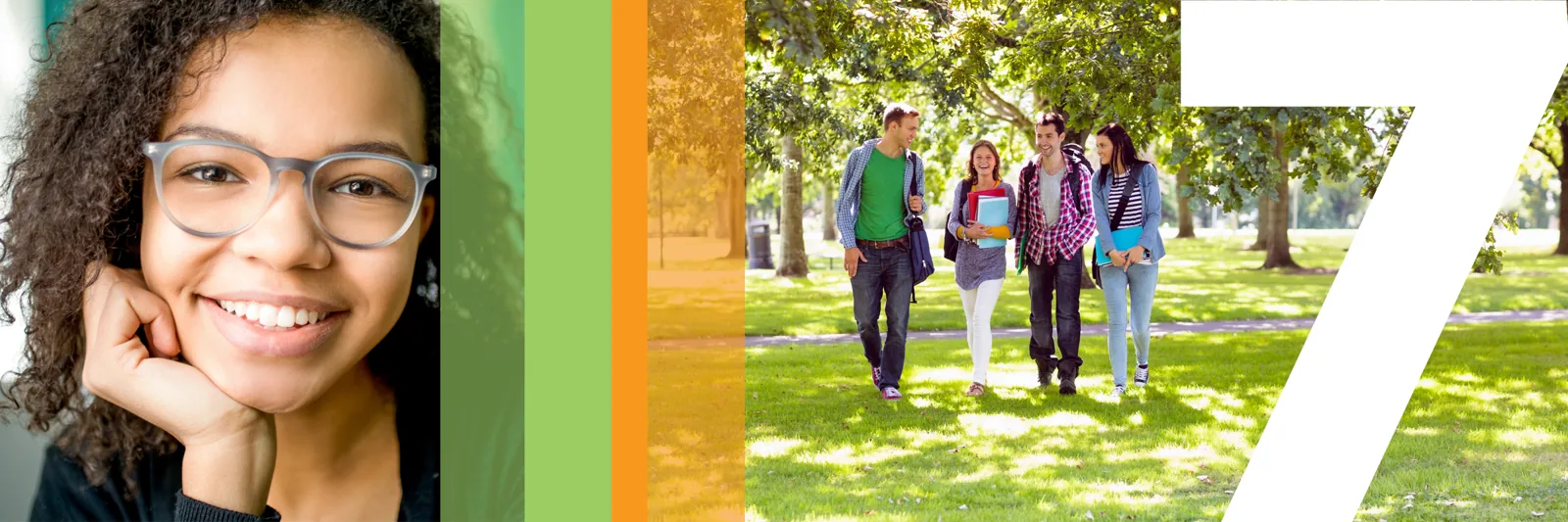
Taking campus tours, exploring student activities, and accepting a little anxiety. Things autistic students can do to make college transition, well, if not "a breeze," a little less intimidating!

Emotional safety, physical safety, and practical considerations that help autistic students create and maintain a variety of healthy relationships.
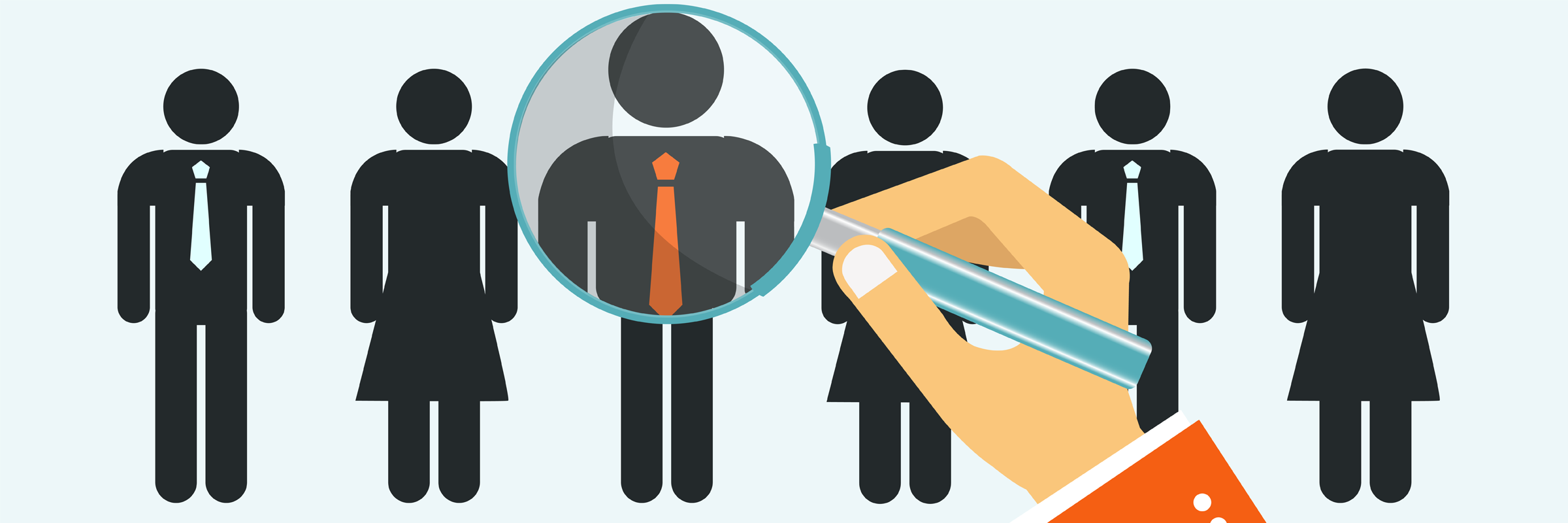
Boosting productivity is just one of the benefits to having more people who have an autism diagnosis represented in the work force. Read on to learn more.

What academic, professional, and social skills are you hoping to develop? Is a four-year college, a two-year program, or technical certificate the right fit? Having clear and realistic goals will prepare you for the next steps.

Anxiety can be especially overwhelming and negatively impact the school experience. Luckily, there are many strategies you can use to reduce your anxiety and make you feel more confident and positive. Remember: you are not alone!
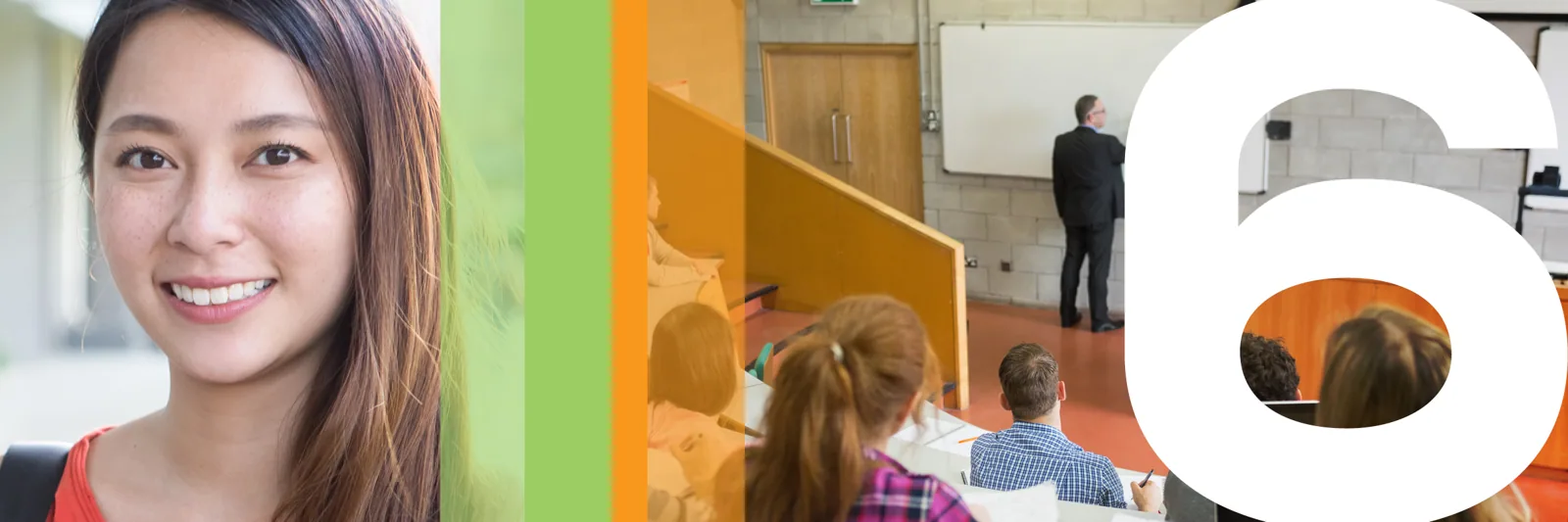
Meeting with the Disabilities Services Office during your first week of college classes is just one important step for autistic students.

Be prepared to step back. This might be easier said than done, but treating your autistic student like an adult is key to their academic growth.