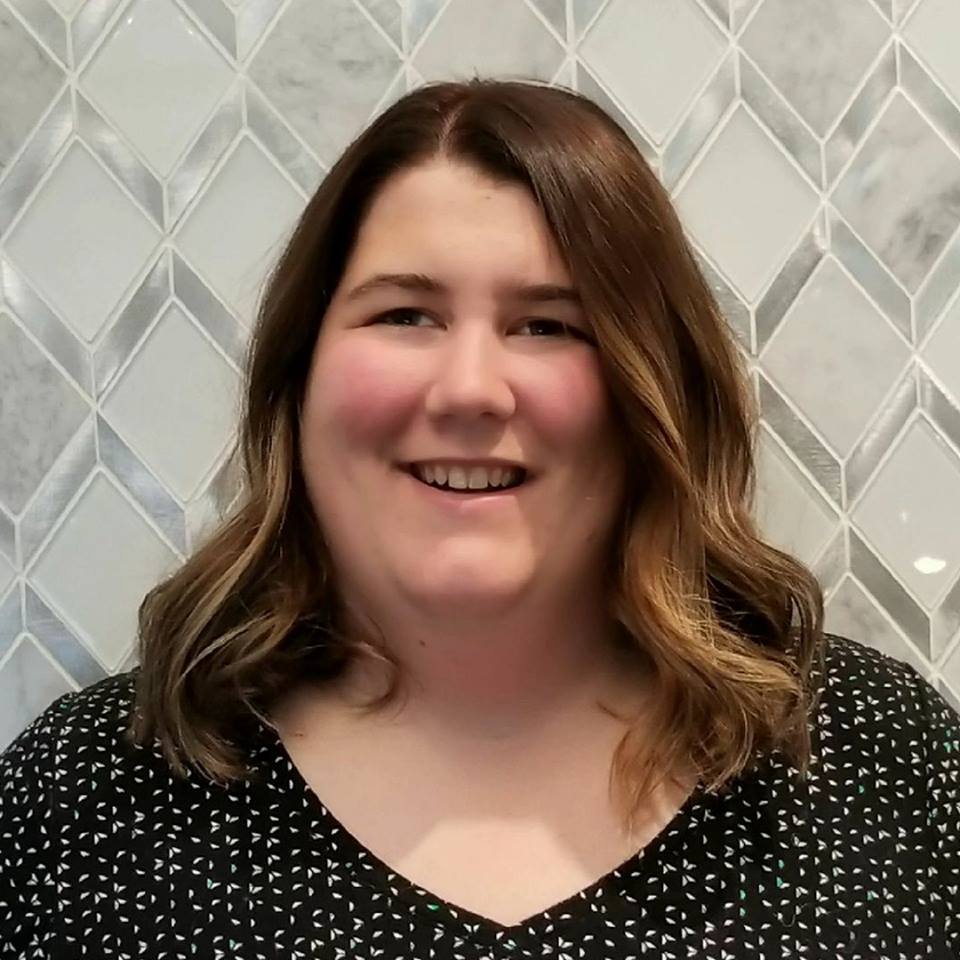
Dr. Melike Schalomon is Interim Dean of Arts and Science and Associate Professor at Grant MacEwan University in Canada. Her background is in neuropsychology. In this three-part series, I interview her on her experience mentoring me as an autistic student. Part two presents the challenge of being a caring mentor to your students, where they feel liked and respected as a person, while avoiding becoming their peer or buddy, as well as maintaining enough professional difference to not bias grading or other forms of assessment. Dr. Schalomon mentored me during times in my life when I went through some difficulties, such as my struggles with anxiety disorder and panic attacks and the death of my grandmother in 2009. She was able to be supportive of my needs as her student while maintaining boundaries.
Because I continued towards an academic career path and had ongoing research collaborations with Dr. Schalomon post graduation, where we were in more of colleague/collaborator roles than student-teacher roles, we developed a friendship based on common research andcareer interests. As an emerging academic, I have friends and colleagues at many levels of their journey in academia, and we all help each other to grow. However, it is not appropriate to form a friendship with a current supervisor or instructor, and such a friendship with a former mentor is unlikely for students unless career and research paths overlap after graduation and people are working closely together for several years in a non-student/teacher situation.
For a pdf transcript of this interview, click here.
To download the audio,