

Families
Interview with Autistic Self-Advocate Haley Moss
I reached out to Haley Moss a few months ago about conducting an interview around autistic self-advocacy, and I was so pleased when she agreed to…
12 min read
42 articles
I reached out to Haley Moss a few months ago about conducting an interview around autistic self-advocacy, and I was so pleased when she agreed to…

Rewarding STEM Jobs are available to autistic students without a 4-year degree. STEM career paths take many forms. Learn how to best pursue your interests.

Autism and setting SMART goals. Learn this method of organizing and achieving meaningful goals. Terrific self-advocacy skills for college.

Social dynamics of college classrooms for autistic students. STEM grad student Patrick Dwyer gives an overview of how college differs from high school.
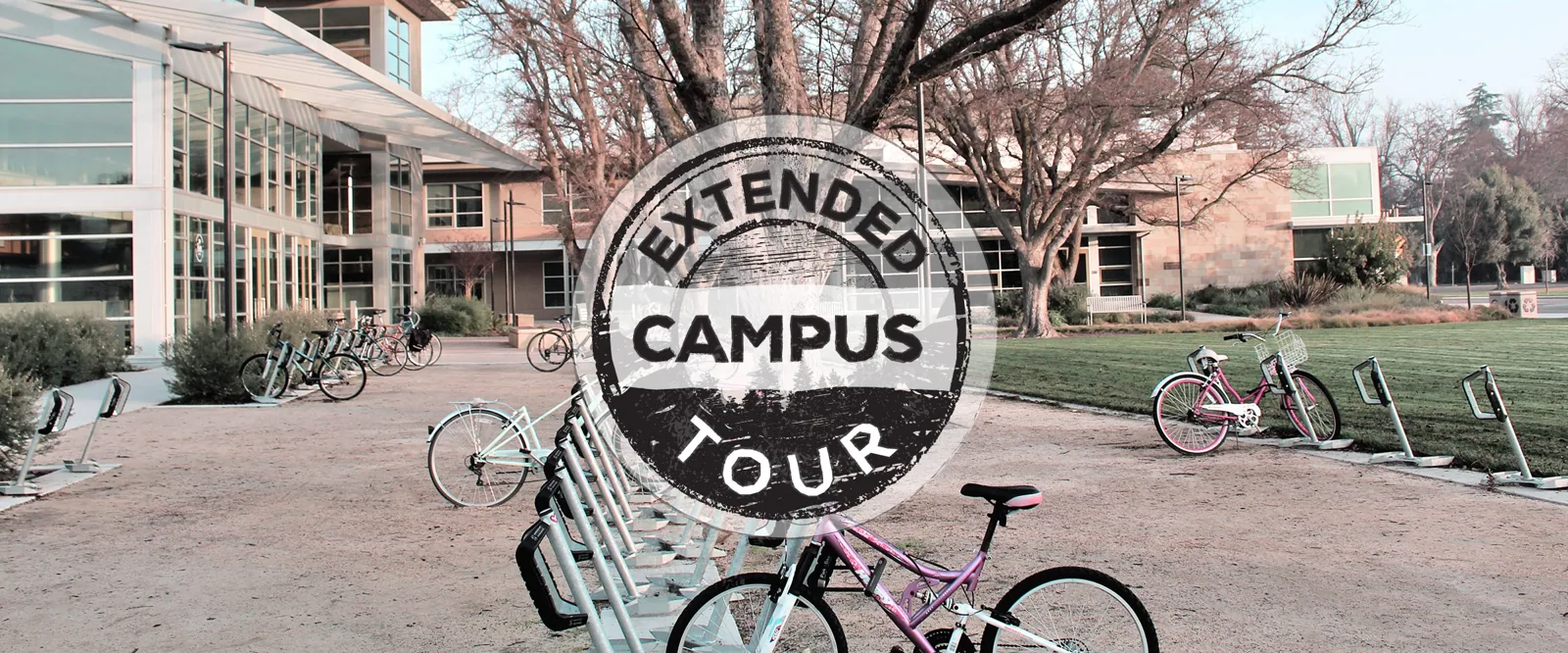
Autistic STEM grad student Patrick Dwyer recommends families and autistic students take a self-guided campus tour. Video tour of UC Davis, packed with tips.

Should you disclose your autism in college? STEM graduate Justin Robbins shares the pros and cons based on his college experience.

Video interview. Patrick Dwyer and UC Davis Disability Specialist Dr. Joseph Spector discuss the role of Disability Services Offices on campuses.

Worried about someone saying something rude or inappropriate about your research? STEM grad student Laura Gilmour shares key presentation and conference pointers.

However, before you despair and conclude that facilitating a peer-support group is not for you, please remember that things usually sound more complicated written out on paper than they are in practice!
This is the final part of a three-part series about being an autistic graduate student. In [part…

Speech and language pathologist Katie Matthews introduces students to “Get Ready, Do, Done” a useful model that supports executive functioning challenges. She then takes a deeper dive into the model, sharing how it can…

Video. Brief overview of the kinds of supports students and families can expect in the college environment. Can vary a lot by institution.

What can you do as a parent to act in “autonomy-supportive” ways? We’re glad you asked! You can support developmental processes in an independence-focused and communication-driven environment at home.

Video interview. How should families navigate the transition from HS to college with their autistic student? Steps to take now for increased self-advocacy and for encouraging internal motivation.

If you are trying to break into software engineering, I can’t recommend sites like HackerRank enough--they’ll get you used to approaching problems in a systematic way that will come in handy in interviews.

Different ways to access tutoring support. Tips about how to prepare for different kinds of tutoring sessions for autistic students.

"This is the most fundamental lesson in founding an autistic student club: you are not alone": college support group founder Justin Robbins.

Video. STEM grad student Patrick Dwyer sits down with UC Davis’s Accessible Tech Analyst Joshua Hori for an overview of Livescribe Smartpen, Sonocent Audio Notetaker, and ClaroPDF.

In this series, autistic STEM grad student Patrick Dwyer takes a deep dive into sensory sensitivity on campus. These blogs…

Video with subtitles. A brief but wide-ranging exploration of what a successful transition takes and how to achieve it.

Video. The transition to university is major, major change, right? And, autistic people, we often thrive on predictability. It's really valuable to spend some time exploring the physical environment of a university campus before you start.

Video Interview. Founding the Coalition for Autism Support at Tufts (CAST) created a sense of community that...I thought I would never have.

Video interview. Brief discussion of one student's success auditing classes on a community college campus in preparation for the transition to higher ed.

Be aware of unconscious bias in interviews, plan for it, and be prepared to disarm it if necessary. For example: if you find eye contact challenging, acknowledge it and then communicate that you are glad to be there and are engaged in the discussion.

Interview. Availability for college students is important as well. Do therapists have office hours that coincide with their class schedule? What is their availability in between appointments if a need arises?
You know how Dumbledore in Harry Potter says, “Help is given at Hogwarts to those who ask for it?” I think that should be my new motto when writing about college, because help is given at college to those who ask for it.

Video interview. If transitioning to college becomes part of your everyday conversation, it becomes much easier for students to adapt.
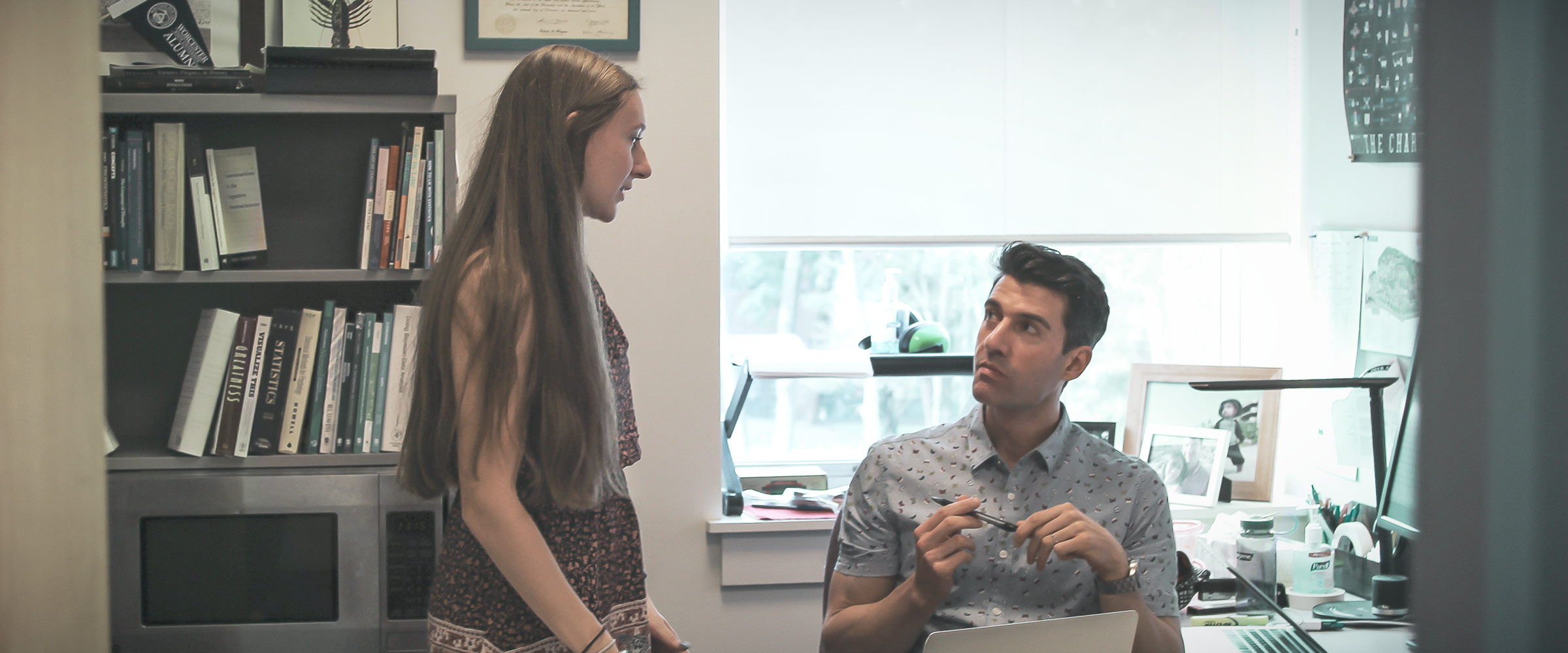
Talk with your professors about your potential needs, whether that means a quiet testing environment, extended time on projects, or organizational assistance.
Always be respectful and professional when corresponding with a professor or course instructor. Using “Dear” to begin emails, using the professor’s last name (i.e. Professor Brown), and signing off with a “Thank you,” or “Sincerely” goes a long way!

Align your strengths with your interests. Find a supportive mentor. Be willing to accept some trial-and-error. Autistic students can succeed in STEM.

Scheduling your time well is one of the simplest and most effective strategies to achieving success at college! But how can we schedule our time well? Read on to find out.

Laura Gilmour shares her journey from new student learning about college expectations to confident graduate student conducting her own STEM research.

Dr. Julia Leverone demystifies the process of talking to college professors for autistic students and explains why it can be helpful to approach them.

Autism advocate Justin Robbins makes an impassioned case for a positive view of autistic experience and points out how autistic strengths can fit with STEM fields

College transition expert Susan Woods explains how professors can collaborate with autistic students and the Disabilities Office to support academic success

Say what? Contributor Katie Matthews breaks down some common syllabus phrases for autistic students, helping to make course expectations clearer.

Consider the syllabus a mini-rule book. These documents can be upwards of seven or eight pages (yikes!), but Katie Matthews helps students sort it all out.

Even if you know you want to disclose your autism to a professor and know what you want to say, this template can help ensure you communicate confidently

Taking campus tours, exploring student activities, and accepting a little anxiety. Things autistic students can do to make college transition, well, if not "a breeze," a little less intimidating!

Advocates for autistic college students, including Editorial Board Members Sara Sanders Gardner and Theresa Revans-McMenimon, share tips for professors.

What academic, professional, and social skills are you hoping to develop? Is a four-year college, a two-year program, or technical certificate the right fit? Having clear and realistic goals will prepare you for the next steps.

Be prepared to step back. This might be easier said than done, but treating your autistic student like an adult is key to their academic growth.